Hello.
We are Hanstep Korean Medicine Clinic, specializing in the research and treatment of Ulcerative Colitis (UC) and Crohn’s Disease since 2007.
Today, I’d like to share a rather special case — a patient who began treatment with almost no symptoms and achieved complete endoscopic remission.
━━━━━━━━━━━━━━━━━━━━━━━━━
PATIENT PROFILE
━━━━━━━━━━━━━━━━━━━━━━━━━
Female patient in her 50s.
Starting in the fall of 2021, she experienced bloody stools and diarrhea more than 10 times a day for over a month. She was diagnosed with ulcerative colitis at a gastroenterology clinic and confirmed at a general hospital.
She was initially prescribed Asacol but experienced hair loss — a known side effect of 5-ASA medications in some patients. She self-adjusted her dose, eventually switched to Mezavant, and was self-managing with only 1 tablet when she first visited us.
First visit to Hanstep Korean Medicine Clinic: November 26, 2025.
━━━━━━━━━━━━━━━━━━━━━━━━━
CONDITION AT FIRST VISIT
━━━━━━━━━━━━━━━━━━━━━━━━━
- Bowel movements: 1 time per day, normal stool
- Occasional soft stool; no bloody or mucous stool
- Mild sense of incomplete evacuation 1–2 times out of every 10
- Digestion generally good; discomfort after overeating; mild atrophic gastritis
- Mild rhinitis (clear nasal discharge and sneezing around dust)
- Occasional chest tightness under stress
Almost no symptoms. This is called clinical remission — the disease appears quiet from a symptom standpoint.
So why did she come to us? Because she understood: disappearing symptoms ≠ treatment complete.
━━━━━━━━━━━━━━━━━━━━━━━━━
TEST RESULTS (November 28, 2025)
━━━━━━━━━━━━━━━━━━━━━━━━━
- Fecal Calprotectin: 105 (normal: below 50)
- Fecal occult blood: Negative ✓
- Blood tests — liver enzymes, hemoglobin, ESR, CRP: All normal ✓
No visible symptoms. Normal blood tests. But inflammation was still present in the colon.
⚠️ “No symptoms does NOT mean no inflammation.”
What happens if that remaining inflammation is left untreated?
- The disease can flare up again at any time — the embers are still burning.
- More importantly: prolonged colonic inflammation increases colorectal cancer risk. UC patients have a higher risk than the general population, proportional to the duration and extent of ongoing inflammation.
The goal is not symptom-free. The goal is inflammation-free.
━━━━━━━━━━━━━━━━━━━━━━━━━
TREATMENT TIMELINE
━━━━━━━━━━━━━━━━━━━━━━━━━
Nov 26 — First visit | Calprotectin: 105
Upper digestive system herbal prescription started.
Dec 10 (2 weeks later)
· Soft stools resolved
· Chest tightness under stress improved ~70%
· Rhinitis improved ~10–20%
Dec 19 — Calprotectin: <3.8 ✅
Below detection limit — effectively zero inflammation.
From 105 to <3.8 in under one month.
→ Mezavant discontinued. From Dec 26: herbal medicine only.
Jan 27 — Calprotectin: 93 ⬆️
Not a failure. This is a signal.
The first cause was resolved; the second cause became visible.
Prescription changed.
Feb 11
· Incomplete evacuation fully resolved
· Digestive discomfort after overeating greatly reduced
Feb 23 — Calprotectin: 41 ✅ (back in normal range)
Apr 1 — Calprotectin: 8.8
Apr 29 — Calprotectin: <3.8 ✅ (completely normal)
→ Switched to concentrated herbal pills for 4 weeks.
Jun 4 — All herbal medicine discontinued
Jun 10 — Calprotectin: <3.8 ✅
Normal with NO medication at all.
━━━━━━━━━━━━━━━━━━━━━━━━━
COLONOSCOPY COMPARISON
━━━━━━━━━━━━━━━━━━━━━━━━━
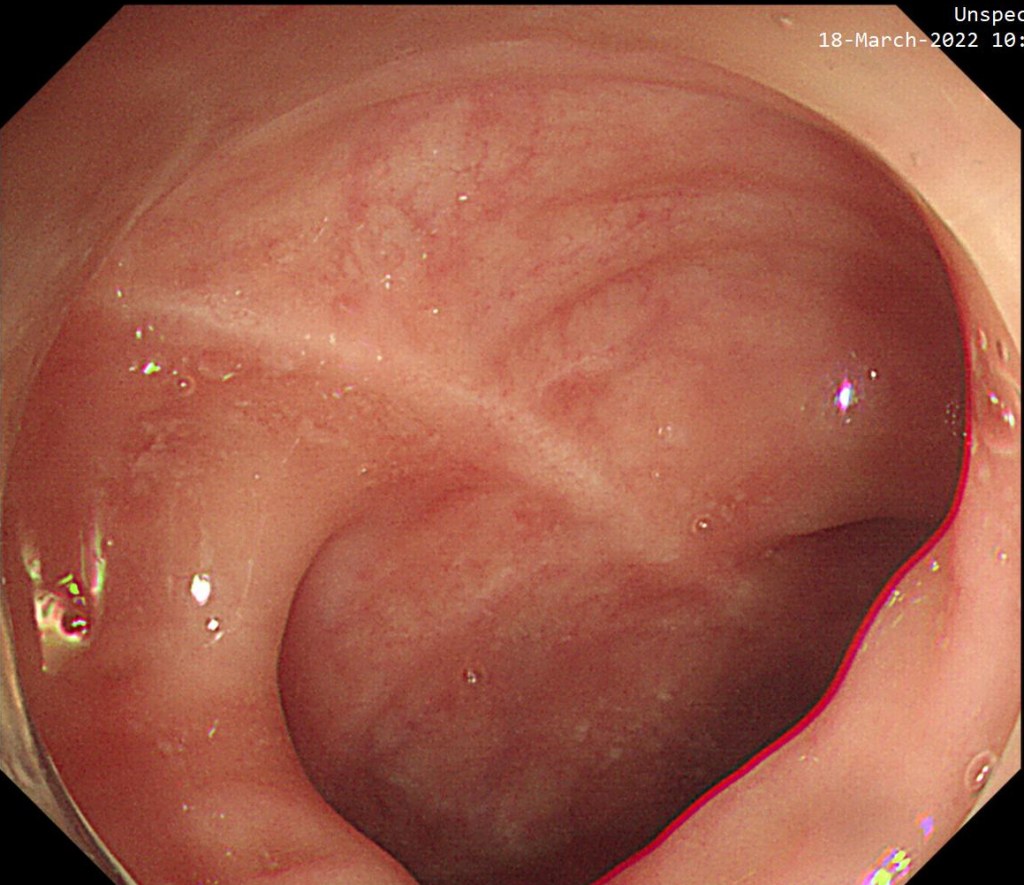
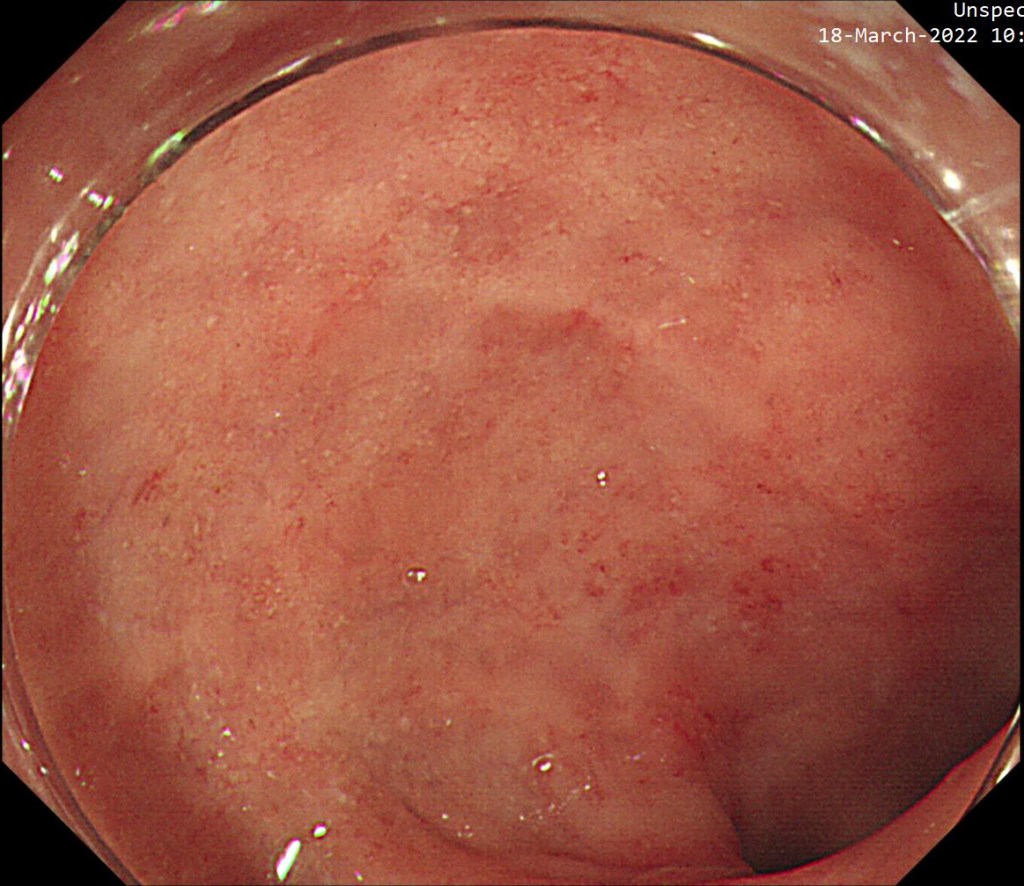
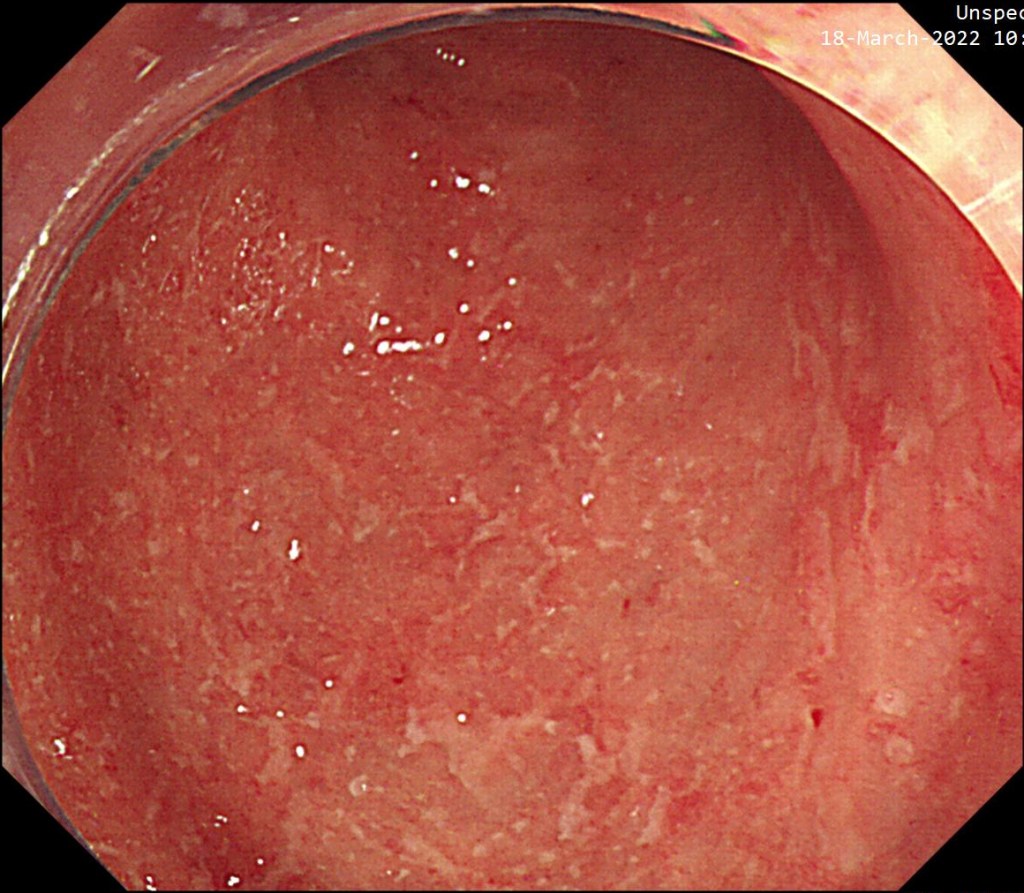
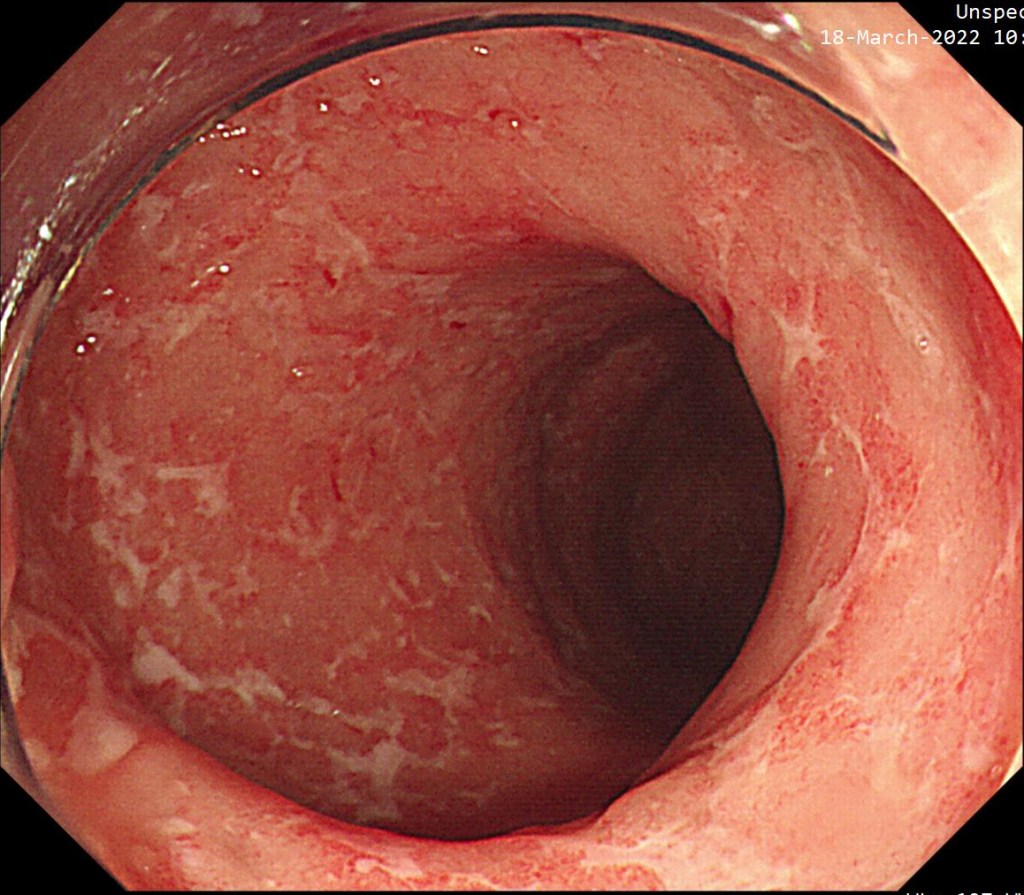
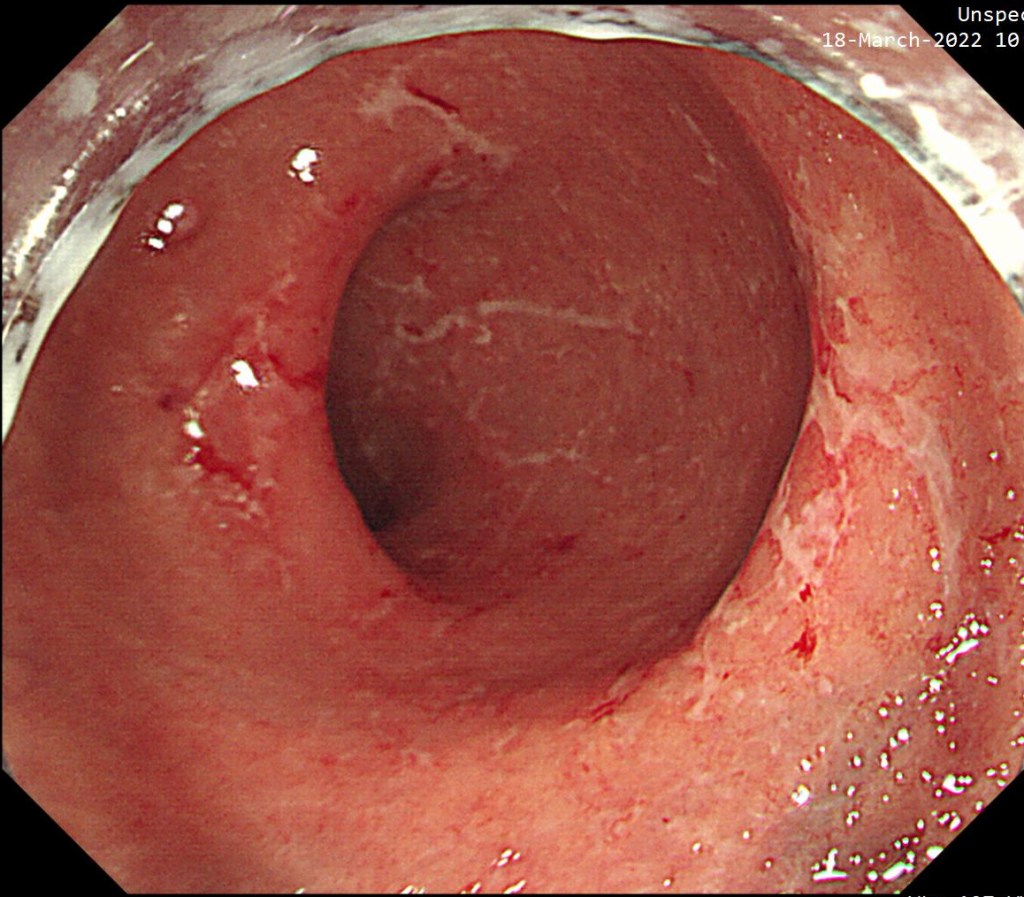
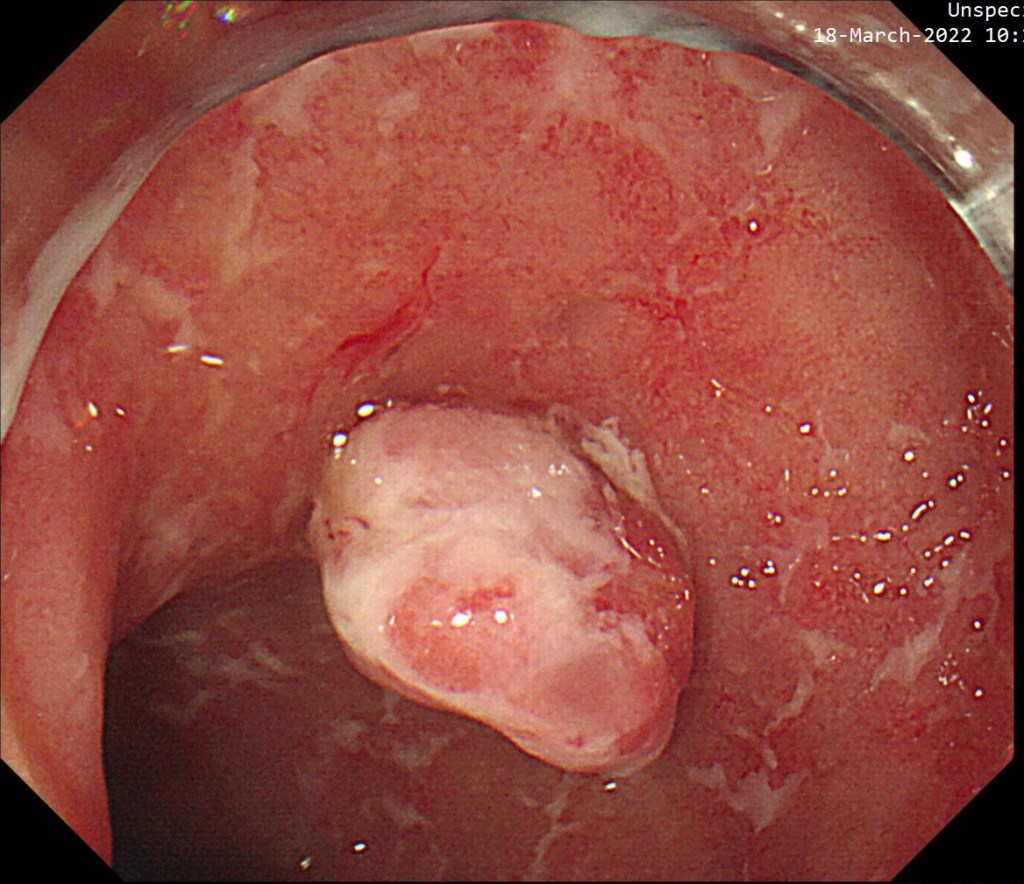
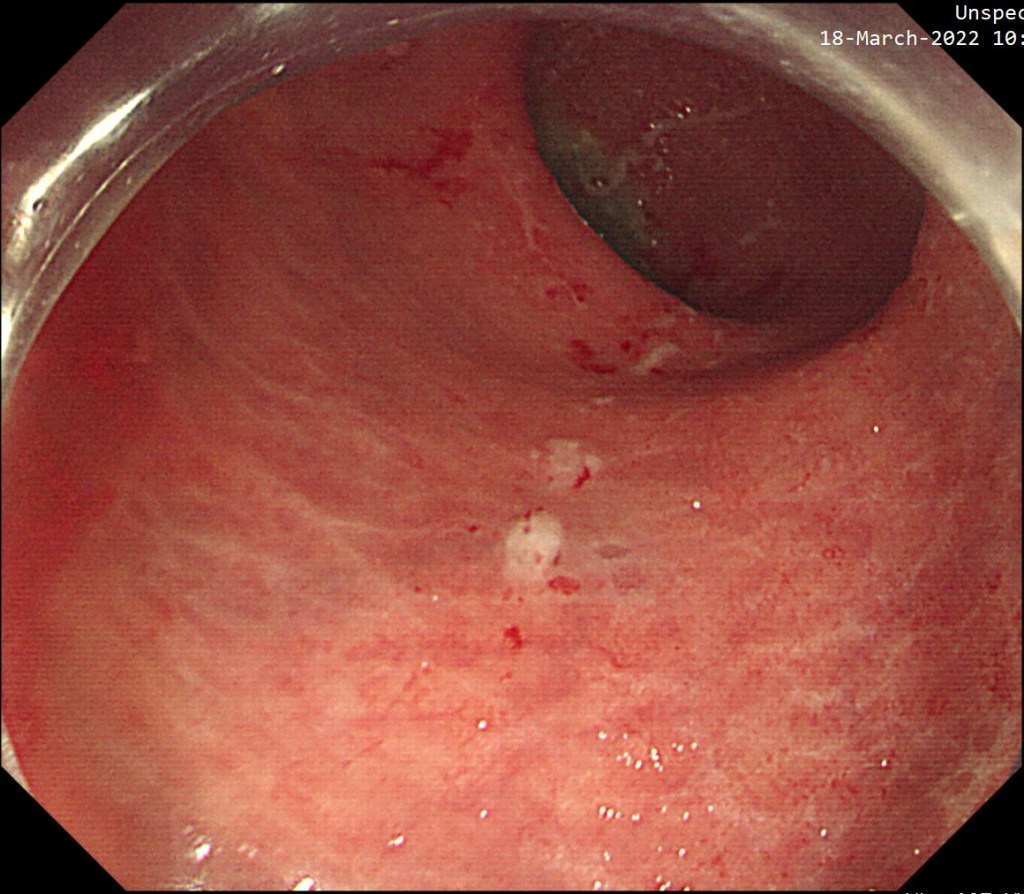
2022 (before treatment):
Scarring visible in the colon (white linear marks from longstanding inflammation), wall swelling, diffuse inflammation and bleeding throughout — including the sigmoid colon. Polyps also noted.
June 2026 (after treatment):
Old scars remain (scars don’t disappear with time), but NO inflammation visible. Vascular patterns clearly visible from ascending colon to rectum. Completely clean.
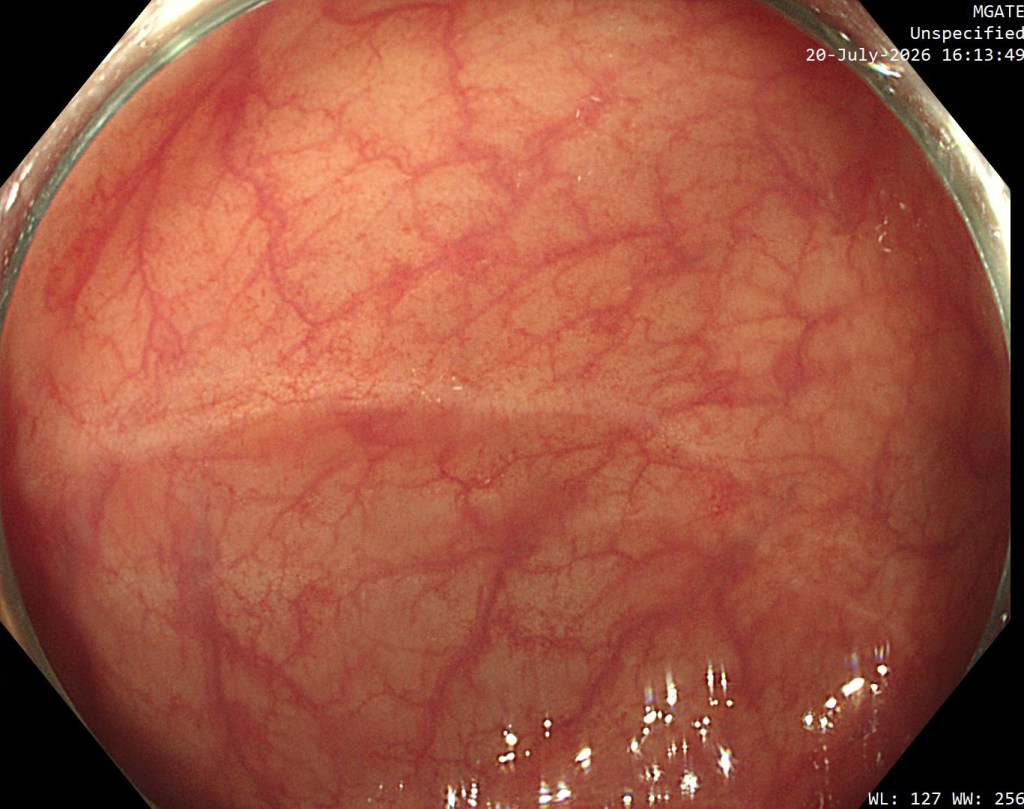
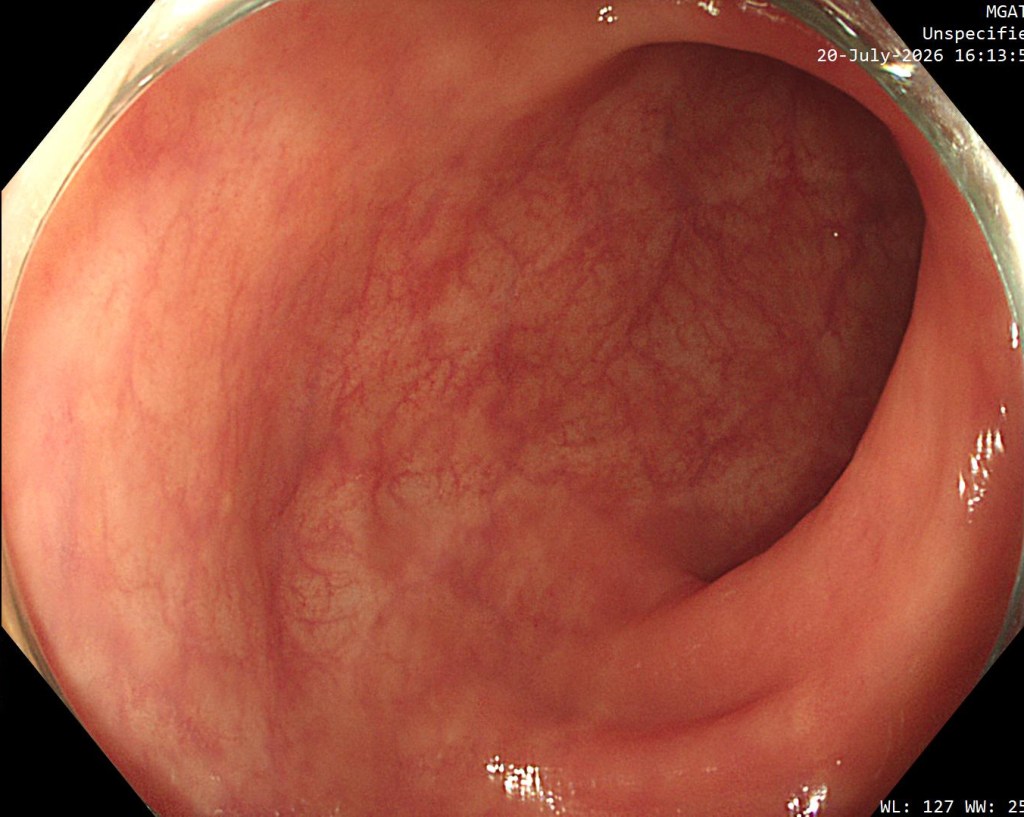
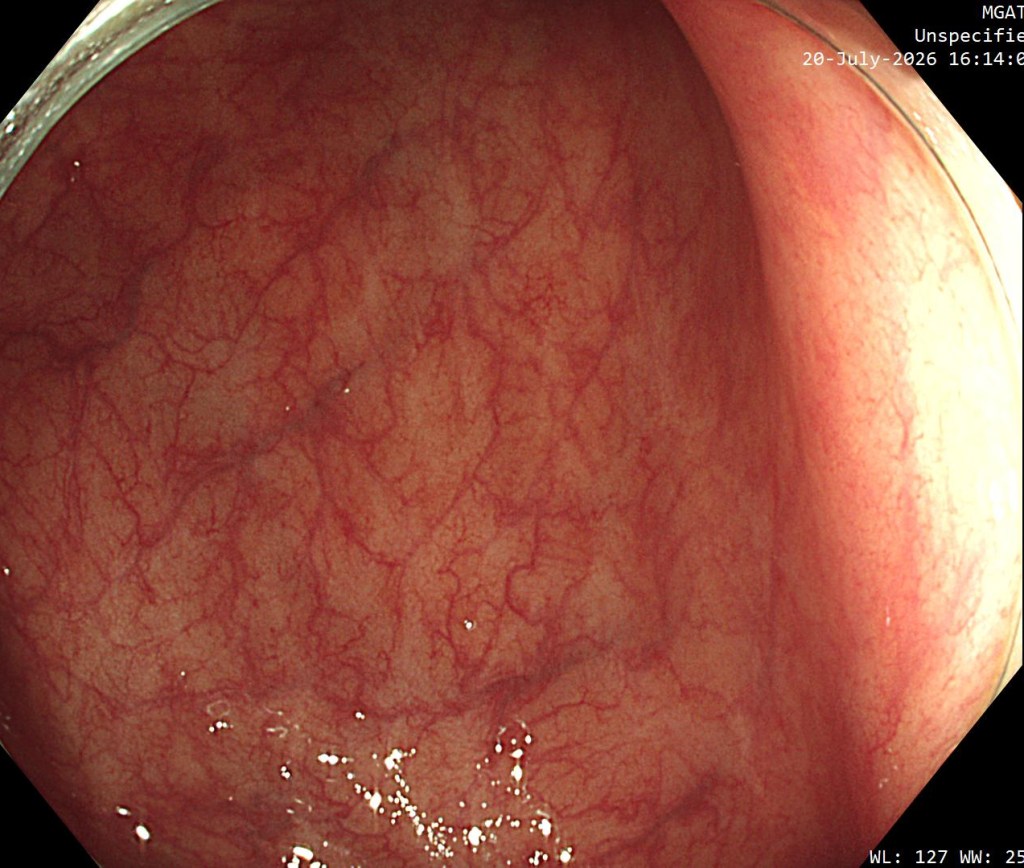
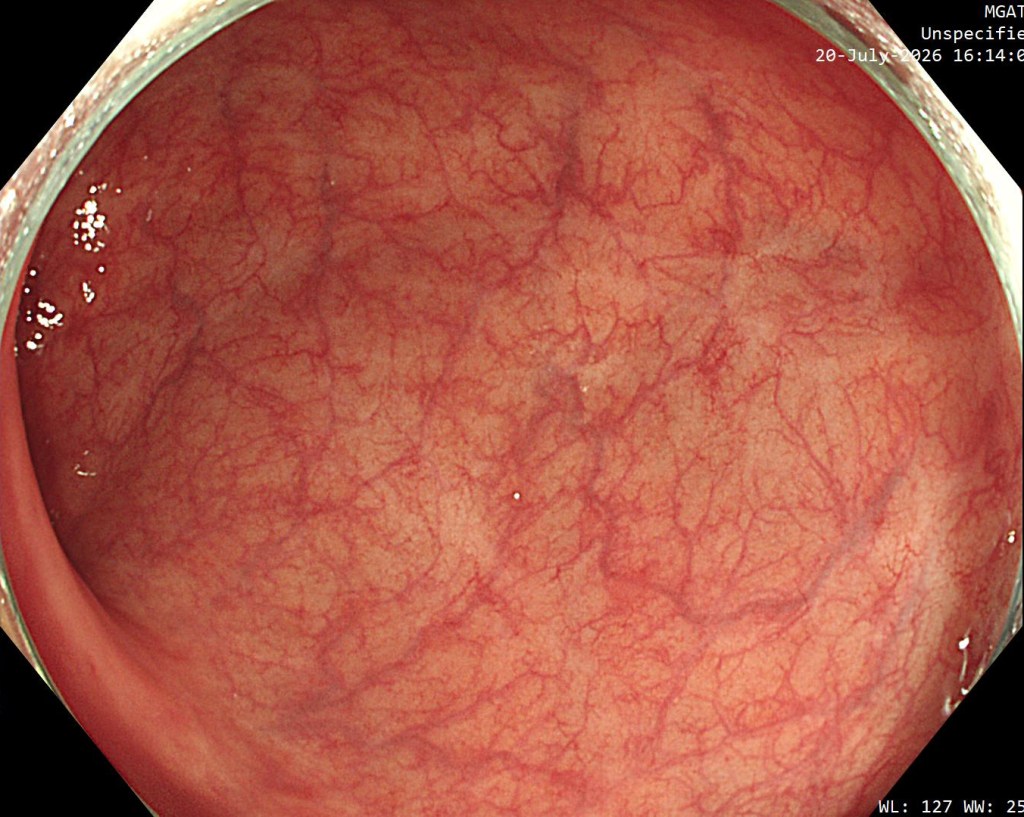
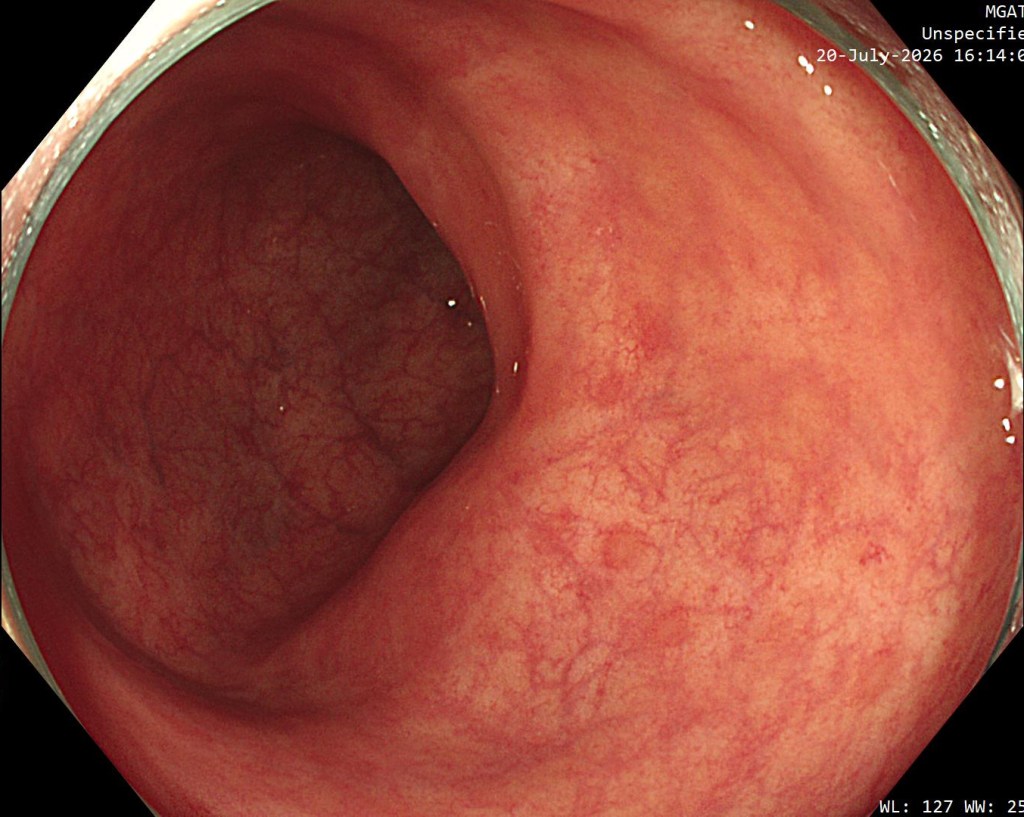
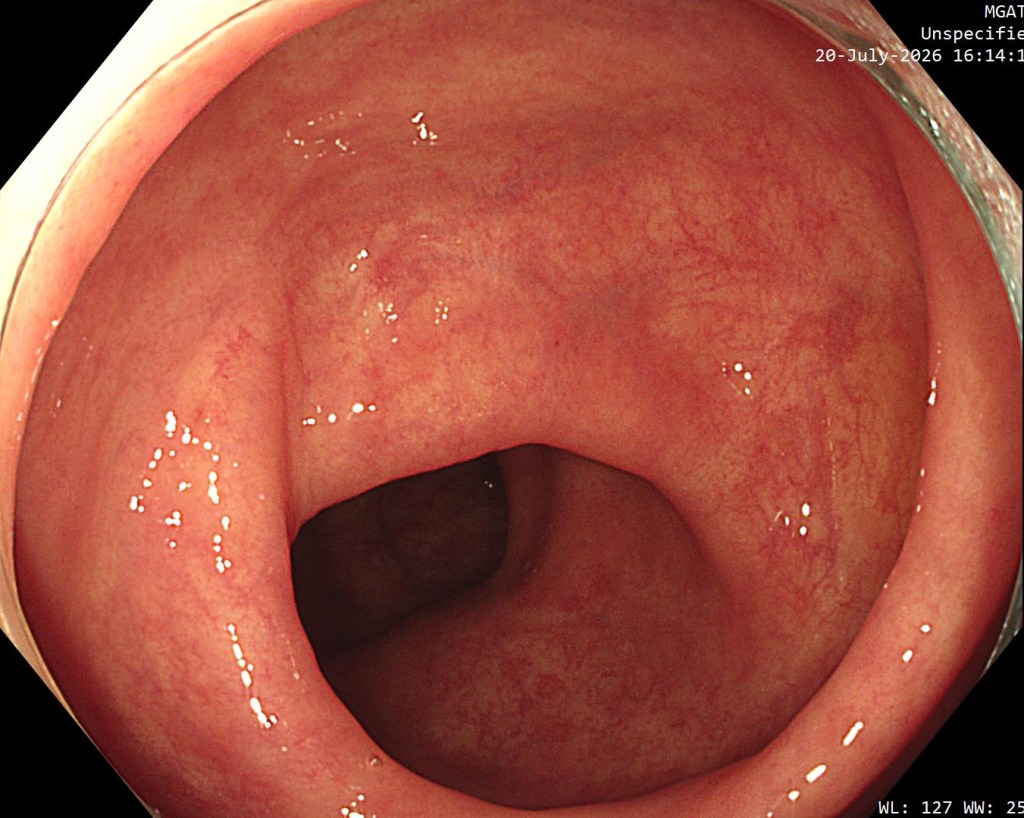
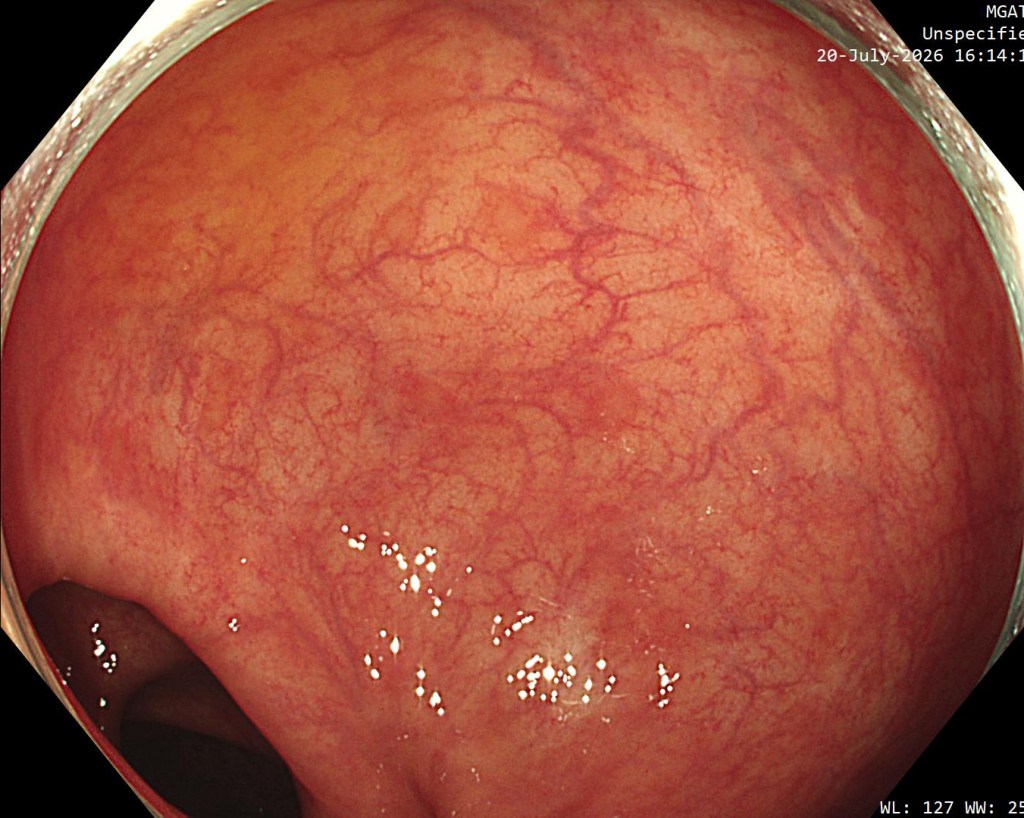
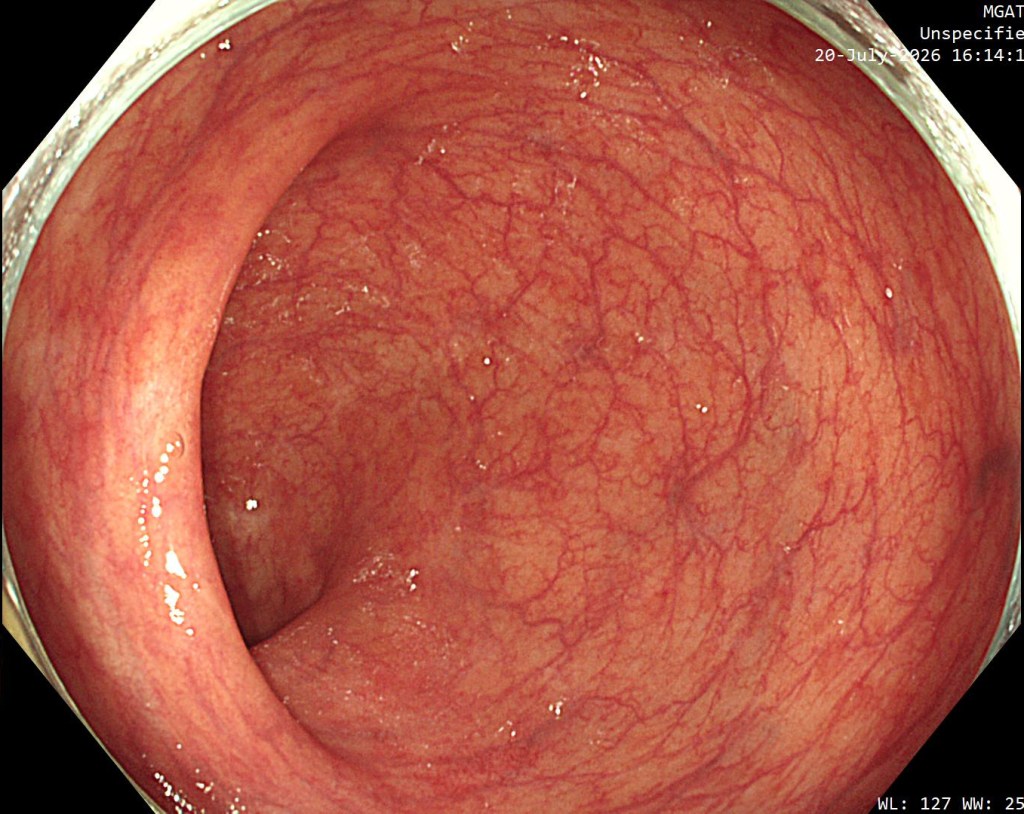
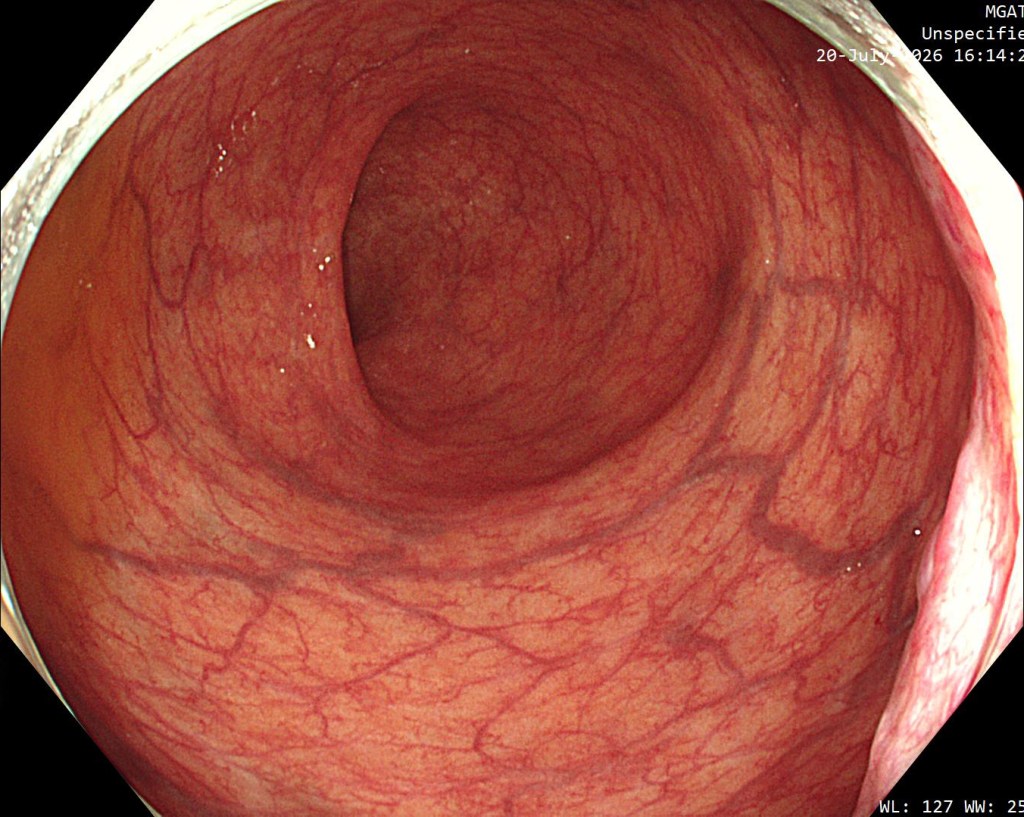
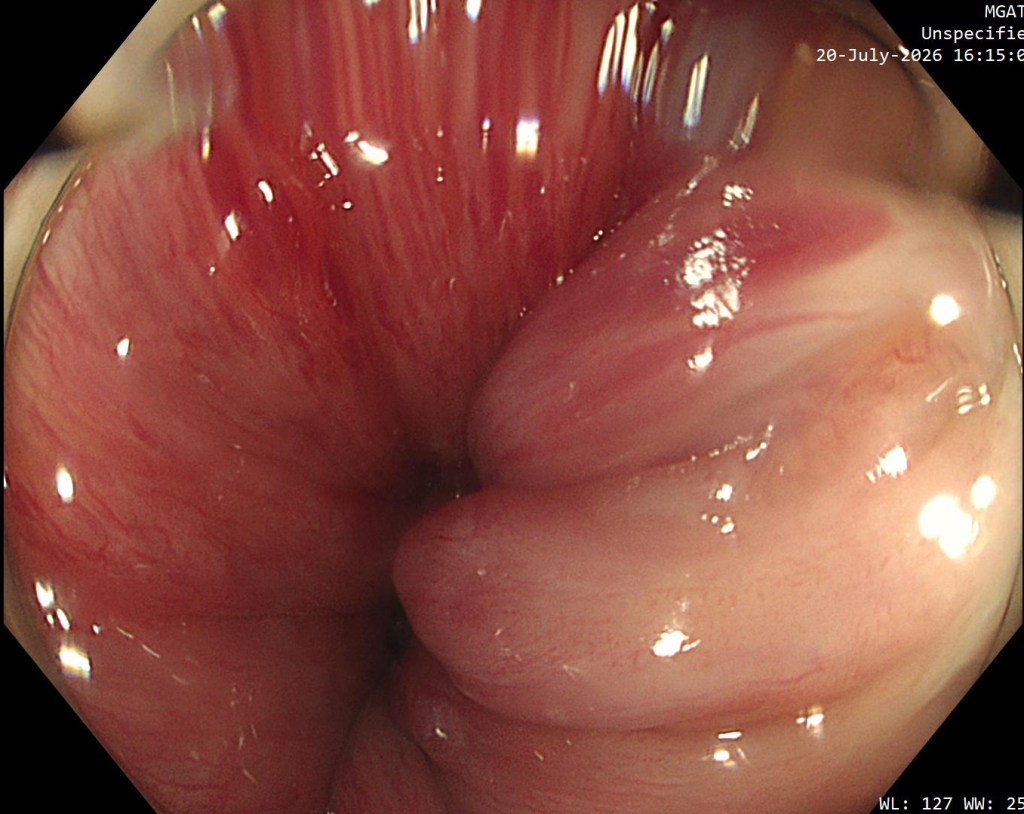
Note: Symptoms began in 2021, yet scars were already present in the 2022 colonoscopy. Scars like these form from repeated inflammation over time — suggesting inflammation may have existed long before 2021. Just as at her first visit to us: inflammatory marker elevated with zero clinical symptoms.
━━━━━━━━━━━━━━━━━━━━━━━━━
KEY TAKEAWAYS
━━━━━━━━━━━━━━━━━━━━━━━━━
① No symptoms ≠ treatment complete.
Even without bloody stools or diarrhea, inflammation may remain in the colon. Prolonged inflammation raises both relapse risk and colorectal cancer risk. Target: eliminate inflammation, not just symptoms.
② Clinical remission = same treatment process as active stage.
Identify causes → treat in order → adjust prescriptions at each stage. The advantage: the body is less damaged, so response is faster and treatment duration shorter. Treat early. Don’t wait.
③ Calprotectin rising mid-treatment ≠ failure.
The first cause was resolved; the second cause appeared. Change the prescription, and the values will come back down.
Complete remission = no symptoms + normal calprotectin + clean colonoscopy.
This is our goal.
━━━━━━━━━━━━━━━━━━━━━━━━━
If you have questions about UC, Crohn’s disease, clinical remission management, or calprotectin levels, please leave a comment. I’ll address them in future posts.
▶️ Watch our YouTube video on this case:
https://youtu.be/OkkaHBckhV8
Please turn on subtitles to watch.
━━━━━━━━━━━━━━━━━━━━━━━━━
HanStep Korean Medicine Clinic – Inflammatory Bowel Disease Clinic
https://hanstep.co.kr/en/


Leave a comment