Hello.
We are Hanstep Korean Medicine Clinic, researching and treating ulcerative colitis since 2007.
Today I’d like to look at a case of ulcerative colitis treatment. This is a patient I mentioned once before.
An 11-year-old elementary school student.
In June 2023, he was injured badly enough to need about 20 stitches and was hospitalized.
The hospital started him on antibiotics — both injections and oral medication.
From that point he began having diarrhea, and it continued right up until he came to our clinic in May 2024.
The diarrhea was so severe and persistent that in March 2024 a general hospital finally diagnosed him with ulcerative colitis.
He was having diarrhea 4–6 times a day, with blood and mucus in the stool. Severe abdominal pain 3–4 times daily.
Put simply: abdominal pain, diarrhea, bloody stool, mucous stool.

His fecal calprotectin — the inflammation marker — was 1,095. Quite high, isn’t it?
A perfectly healthy child started having diarrhea after heavy antibiotic use and was eventually diagnosed with ulcerative colitis.
And Western doctors say it has nothing to do with the antibiotics. They say antibiotics have no connection to ulcerative colitis.
But think of how many ulcerative colitis and Crohn’s patients report that their diarrhea worsens after taking antibiotics.
Those complaints get no attention at all. They’re simply dismissed. And the patient is told it’s fine.
Is it really fine?
Western physicians tend to dismiss anything that hasn’t appeared in a published paper.
But who would write a paper showing that antibiotics worsen intestinal inflammation?
Here’s the thing about research papers. Some are written from pure scientific curiosity, with no commercial interest. But most require capital — money — before they get written. Of course they do. Research needs funding.
Some of that funding comes from governments or public institutions. But when it comes to drugs, a great deal of it comes from large pharmaceutical companies.
And those companies want to produce papers showing their drugs work. They want to fund that kind of research.
Would they want to fund a study showing their drug doesn’t work, or that it causes side effects?
So research on drug side effects is slow to emerge.
Which means that even though there are many ulcerative colitis and Crohn’s patients whose diarrhea worsens on antibiotics, that research doesn’t get done.
And then, pointing to the absence of such research, Western doctors say it’s fine.
Does that make sense?
I’ve been researching ulcerative colitis for 19 years now. Because I examine patients closely, I recognized this relationship long ago, and I’ve told many patients not to drink alcohol.
Yet ten years ago, hospitals were telling ulcerative colitis and Crohn’s patients that drinking was fine. Now they say it isn’t.
So were they right then and wrong now?
The truth — reality — doesn’t change.
Recently this paper came out.
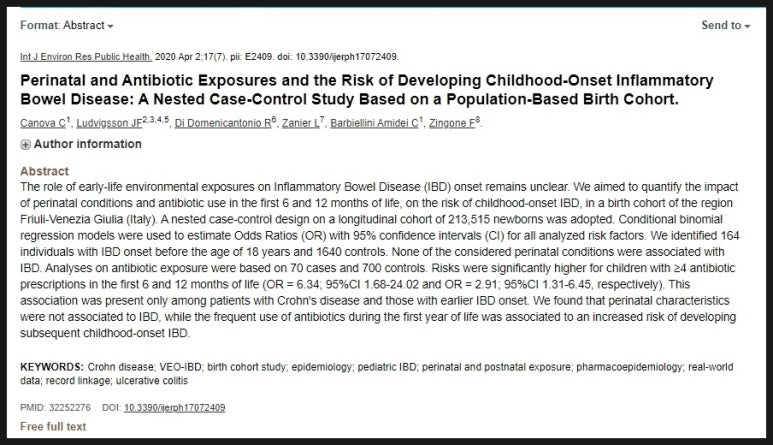
This study examined a birth cohort of 213,515 newborns and asked whether early-life antibiotic exposure affects the risk of developing inflammatory bowel disease in childhood.
Children who received four or more antibiotic prescriptions within the first 6 and 12 months of life had a significantly elevated risk of childhood-onset IBD. The association was strongest in Crohn’s disease and in cases with earlier onset.
Notably, perinatal conditions themselves showed no association with IBD — it was the frequent use of antibiotics during the first year of life that was linked to increased risk.
Research like this will keep coming.
And then, maybe five or ten years from now, Western doctors will belatedly start saying you should be careful with antibiotics in ulcerative colitis and Crohn’s disease.
But what about the time in between?
You have to be careful yourself. No one else is looking out for you.
Back to the case.
He got worse after antibiotics, the hospital kept insisting that wasn’t the cause, he was diagnosed with ulcerative colitis, and when the family looked into it they learned he would need Western medication for life and that the disease doesn’t heal.
So his mother brought him to Hanstep Korean Medicine Clinic.
She did not want him on Western medication at all, so from the start we used no Western drugs — treatment with herbal medicine alone.
After one month of treatment, in June, bowel movements dropped to 3–4 times daily, and blood and mucus in the stool had nearly disappeared.

By July, fecal calprotectin had fallen to 779.
By September, bowel movements were 2–3 times a day. Blood and mucous stool were gone. Abdominal pain was gone.

Fecal calprotectin reached 45. Completely normal, isn’t it?
By November, bowel movements were once a day. Eating and digestion were good. No abdominal pain.

On January 17, 2025, the stool test came back at 30.
His weight had dropped to 36 kg; it recovered to 41 kg.
And when we performed a colonoscopy in 2025, the inflammation was gone.
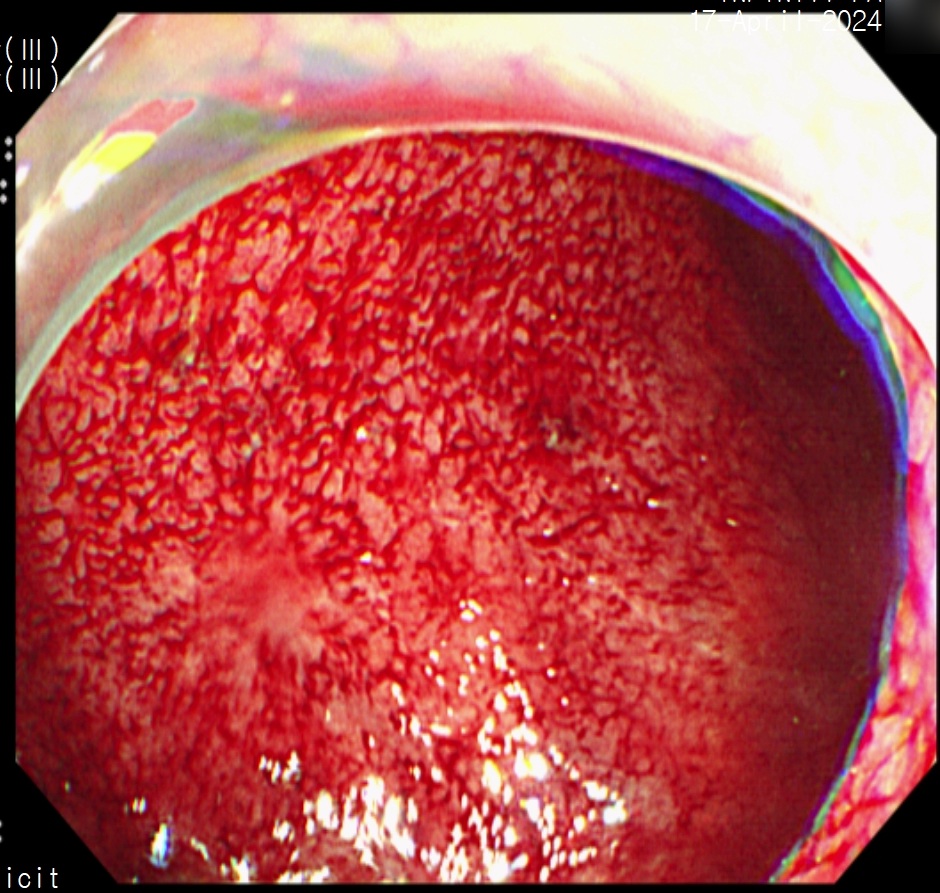
Let’s look at the colonoscopy images.
These are from before treatment, when he was unwell.
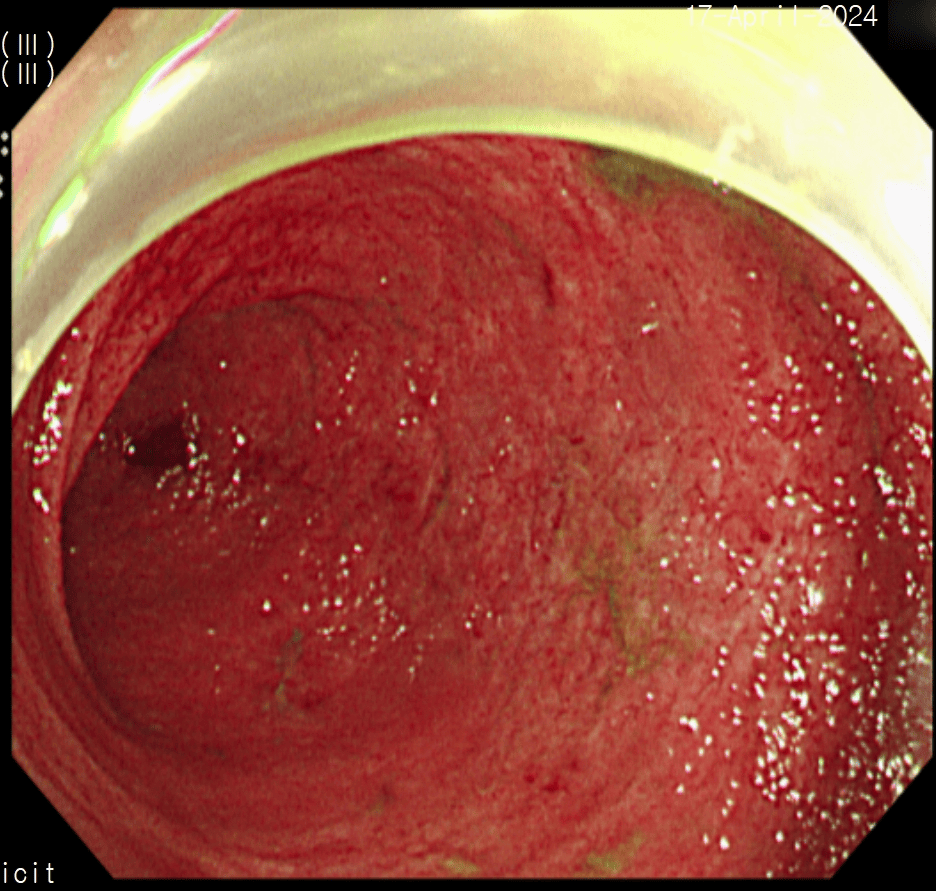
There’s bleeding at various points in the bowel, and the wall is badly swollen throughout, isn’t it?
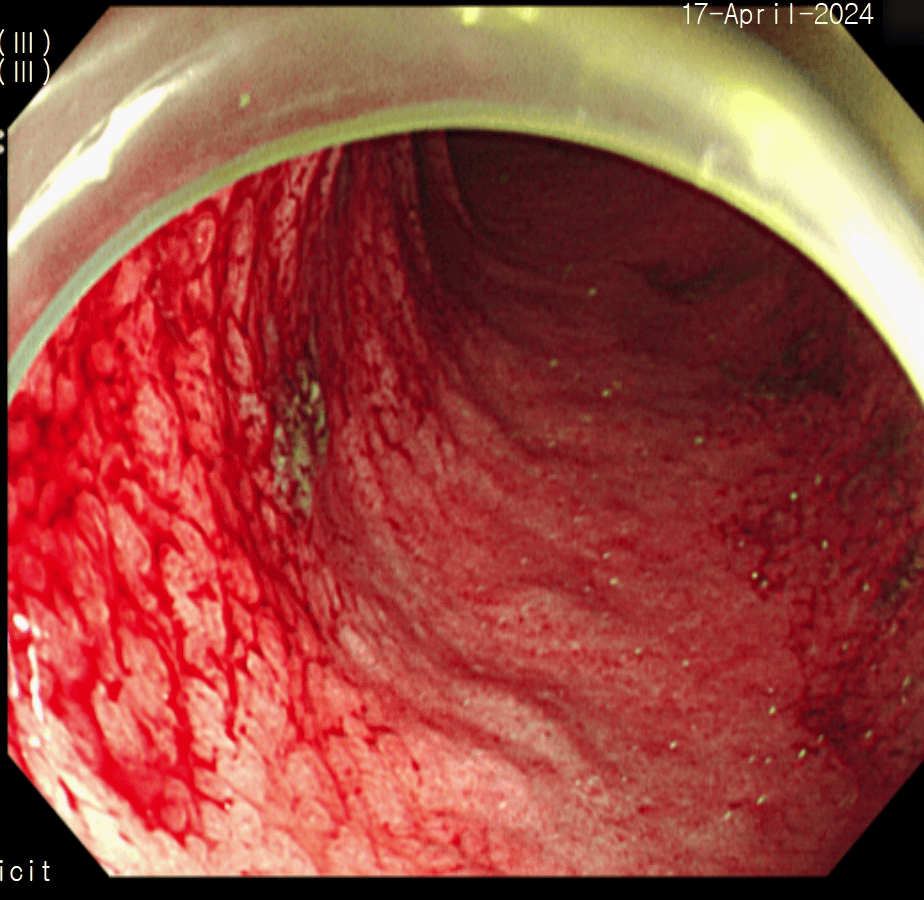
This one is completely red and congested as well.
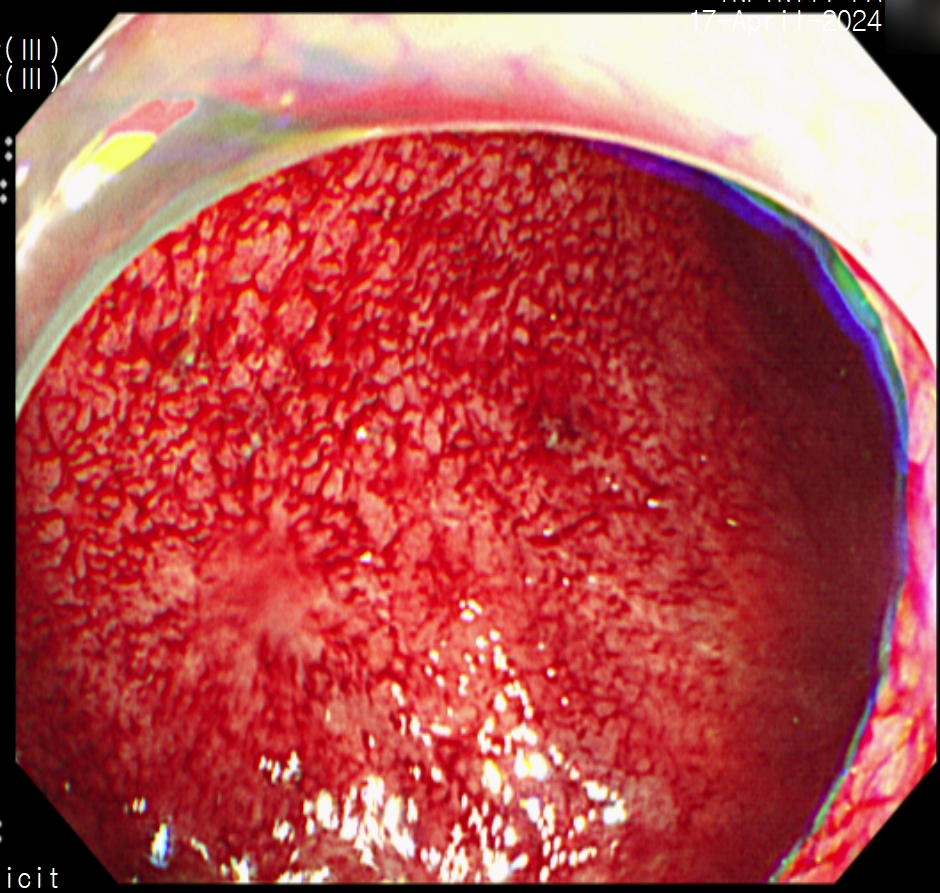
Bleeding here too.
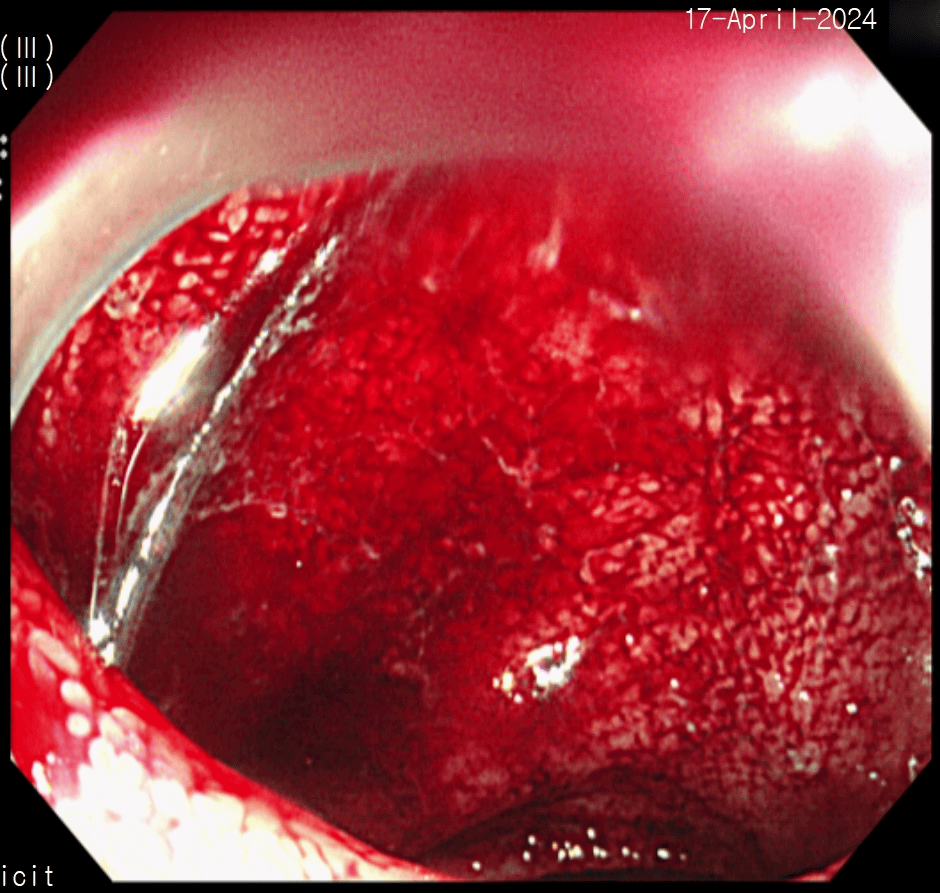
A lot of bleeding here as well.
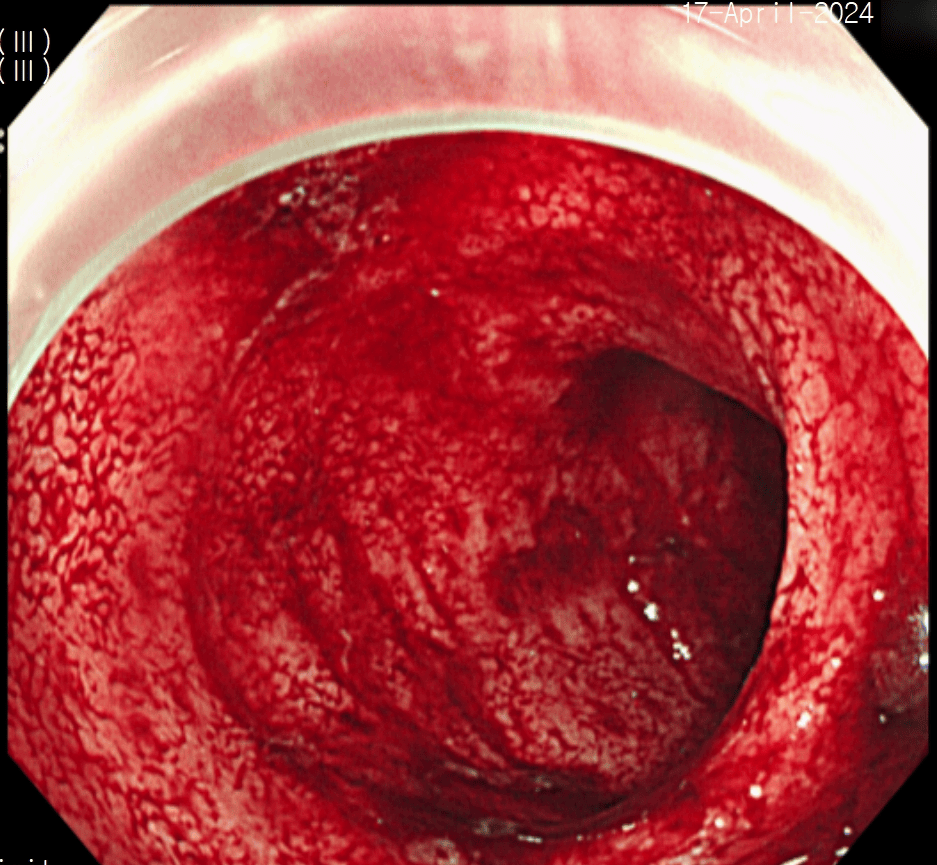
This one is severe, isn’t it? The inflammation is clearly visible.
Now look at these. The colonoscopy from February 2025.
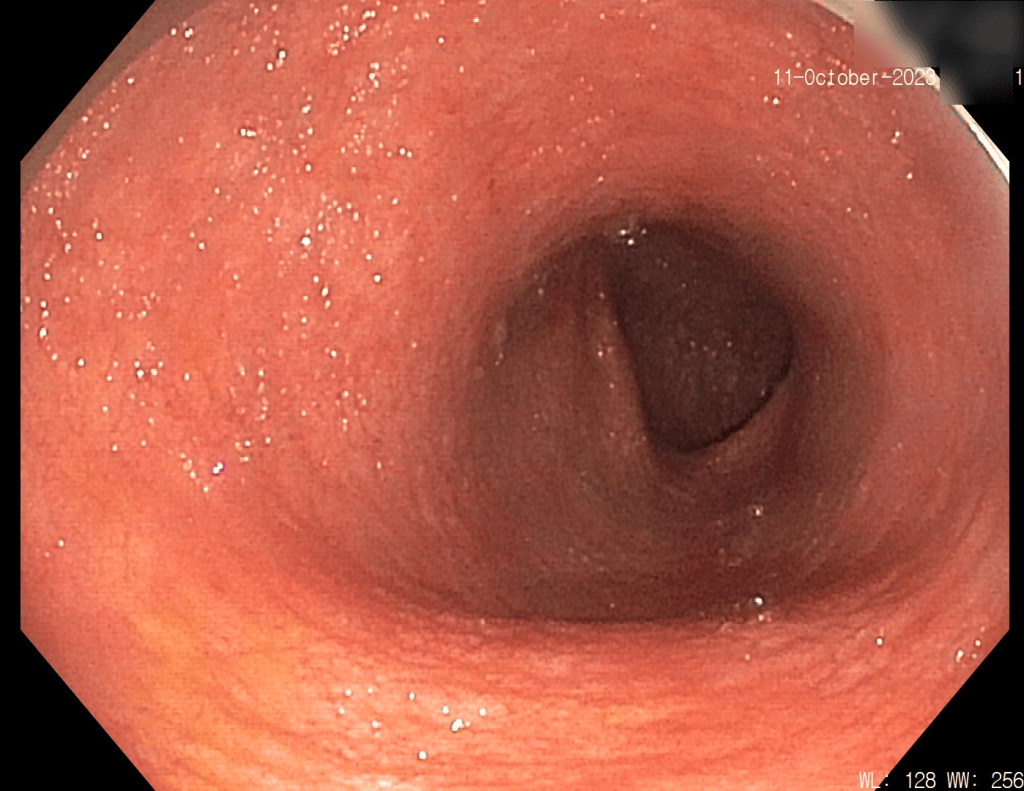
The bowel wall is already a pale pink, isn’t it?
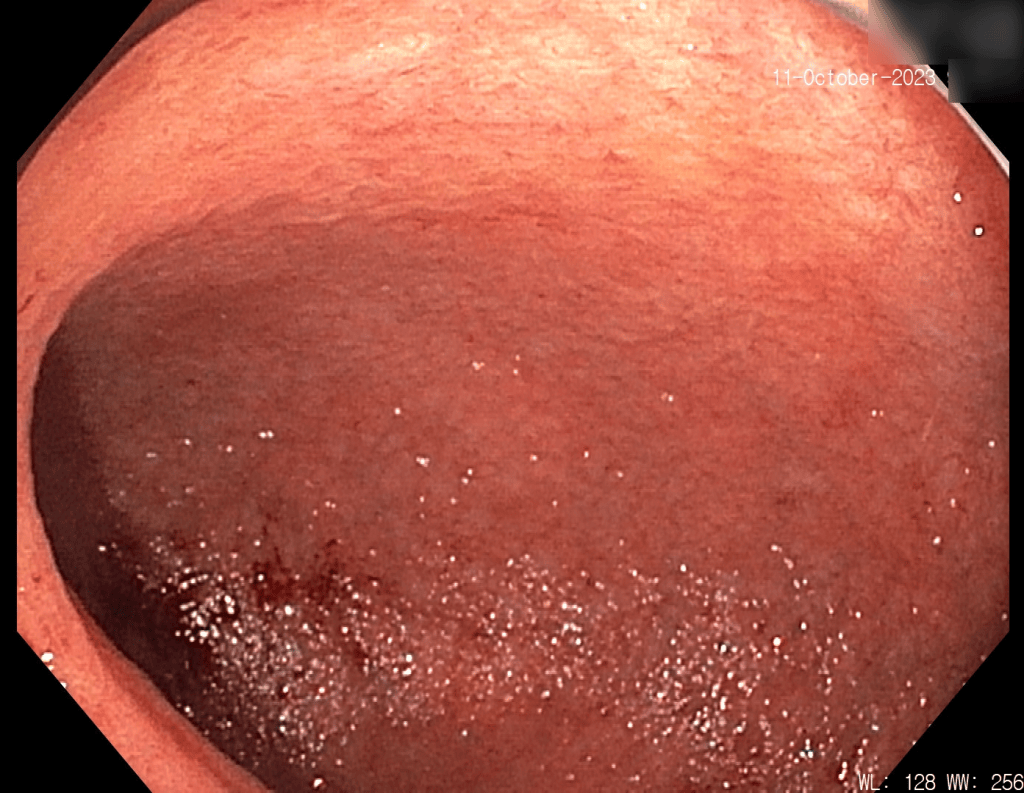
Here too — the inflammation and bleeding are gone, so it looks much better.
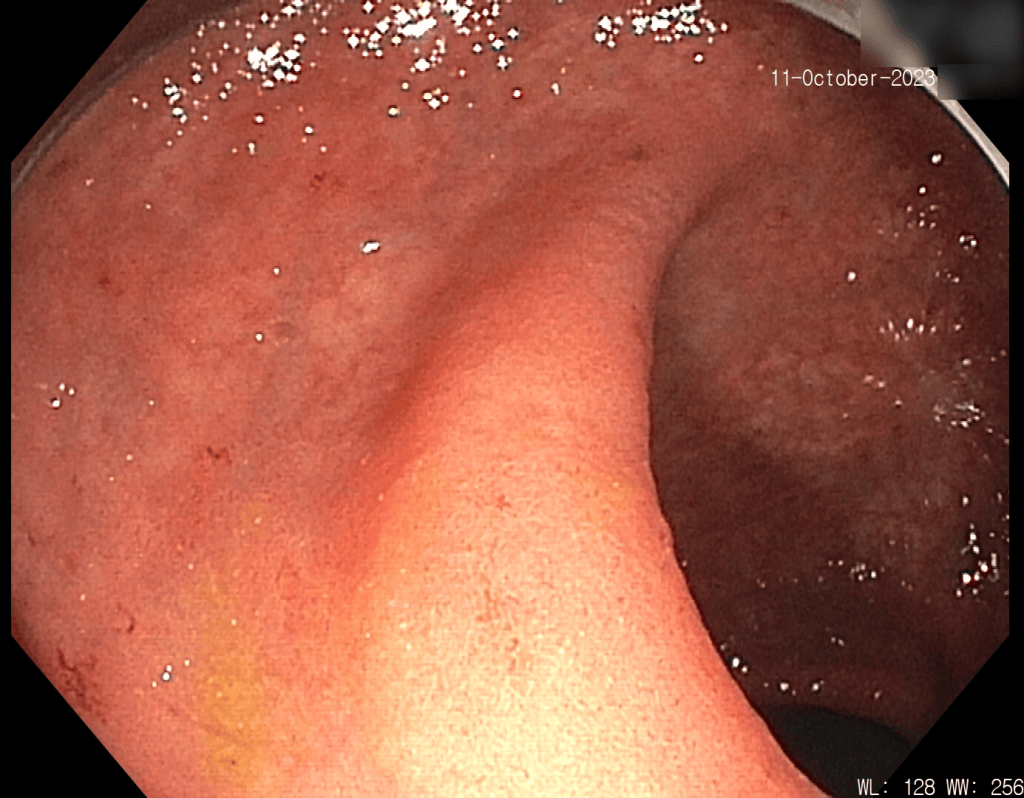
In this one the blood vessels are clearly visible.
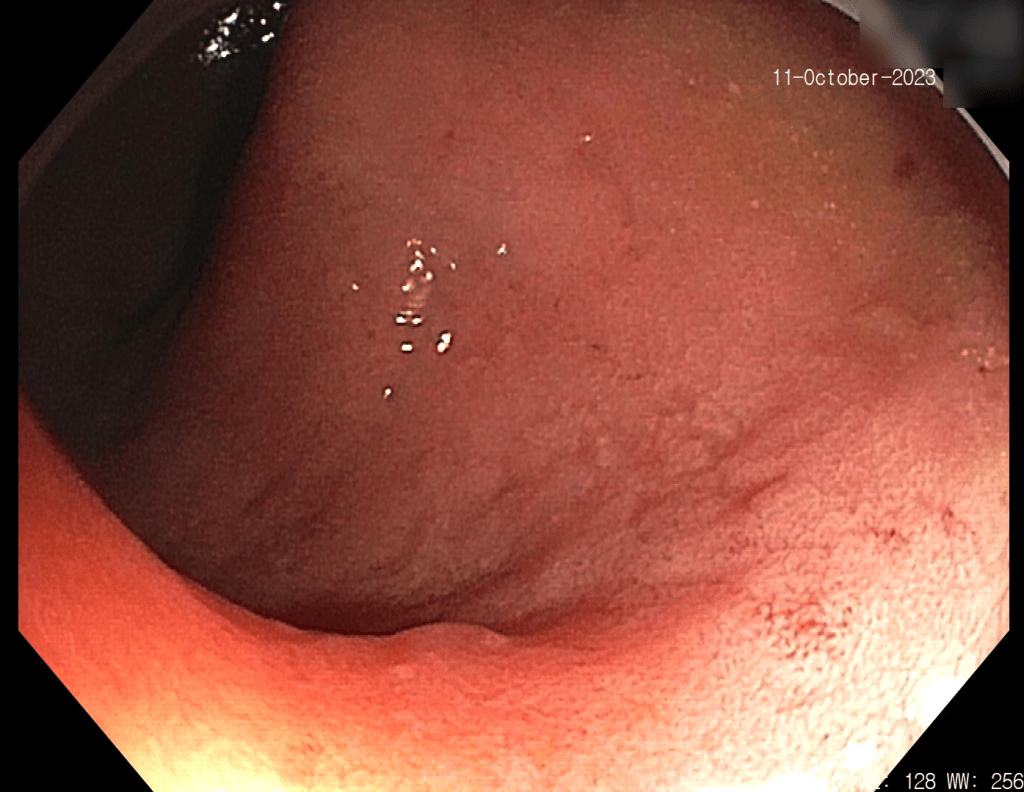
Compare this one too — completely different, isn’t it?
The Western doctor who had been treating him found it strange.
He hadn’t had any treatment, hadn’t taken any Western medication — so how did he improve like this? That’s what the doctor was wondering.
The stages of ulcerative colitis treatment:
Stage 1. Disappearance of all clinical symptoms.
Stage 2. Normalization of inflammation markers.
Stage 3. Confirmation of endoscopic remission.
All of this improved in under a year, and we are now concluding treatment.
I say this repeatedly: be careful with alcohol, antibiotics, anti-inflammatory drugs — these chemical medications.
And whether or not you take Western medication, treatment with herbal medicine works well.
Ulcerative colitis can be treated very successfully without Western medication.
HanStep Korean Medicine Clinic – Inflammatory Bowel Disease Clinic
https://hanstep.co.kr/en/


Leave a comment