Hello. We are Hanstep Korean Medicine Clinic, researching and treating ulcerative colitis and Crohn’s disease since 2007.
Following on from last time, today I want to look at the actual research into the effects and the mechanisms of the herbal medicines used in ulcerative colitis and Crohn’s disease.
I will be honest: this kind of material is complicated, it is very technical, and it is not much fun.
But some of you specifically asked for it, so here we go.
If enough people find it interesting, I will make more of these.
When I treat ulcerative colitis and Crohn’s disease, I use dozens of prescriptions and medicinals depending on the cause.
Among them, let’s take one that is well known for acting on the inflammation of ulcerative colitis and Crohn’s disease — Coptis chinensis, hwangnyeon (黃連) — and look at the research on it.
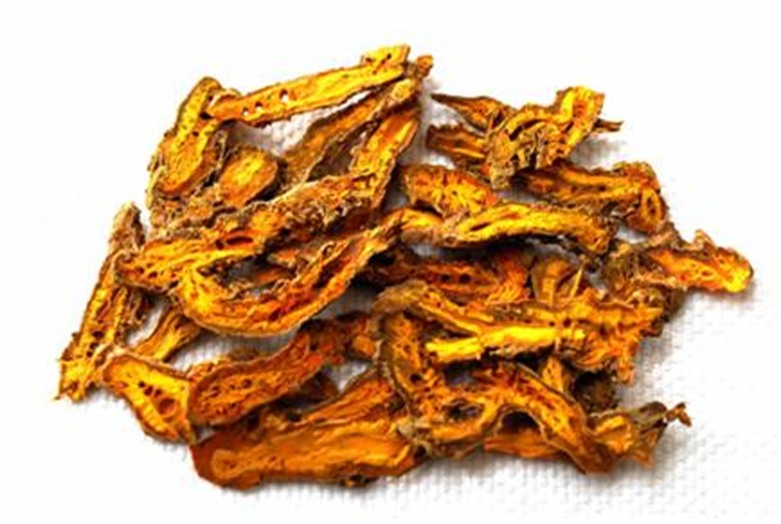
This is what it looks like as a herb. The botanical name is Coptis chinensis.
If you are curious about a herb or a prescription, you can search for it yourself.
Translation tools are so good now that you can simply read the results.

Search Google for “Google Scholar.”
That brings up Google Scholar.
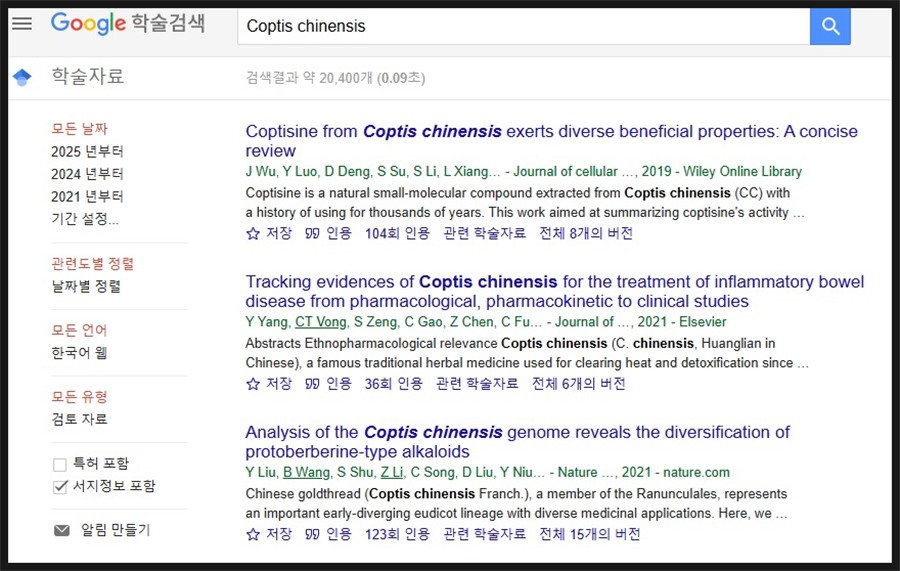
Put the botanical name in, and there you go.
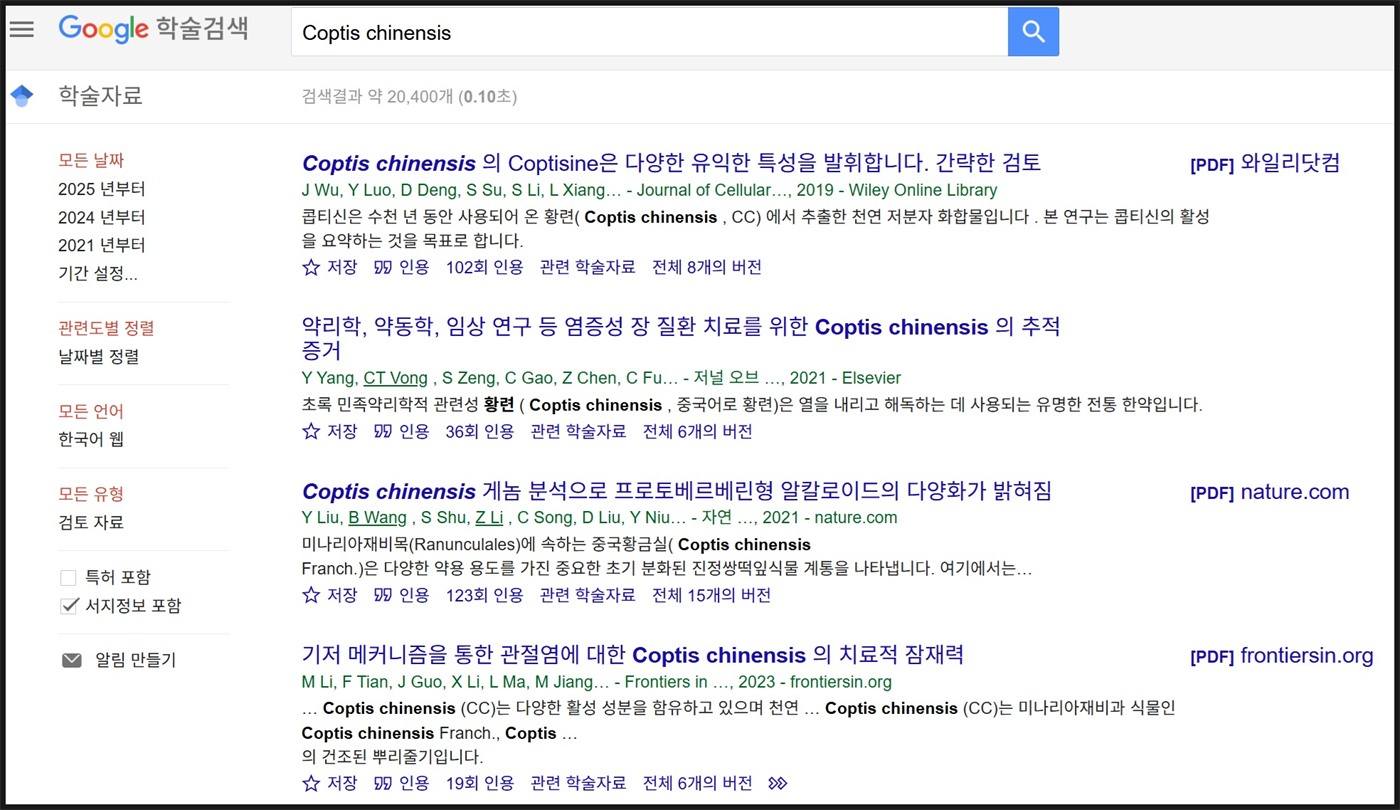
If you click the three dots at the top right, you get several options, and translate will render the English for you directly.
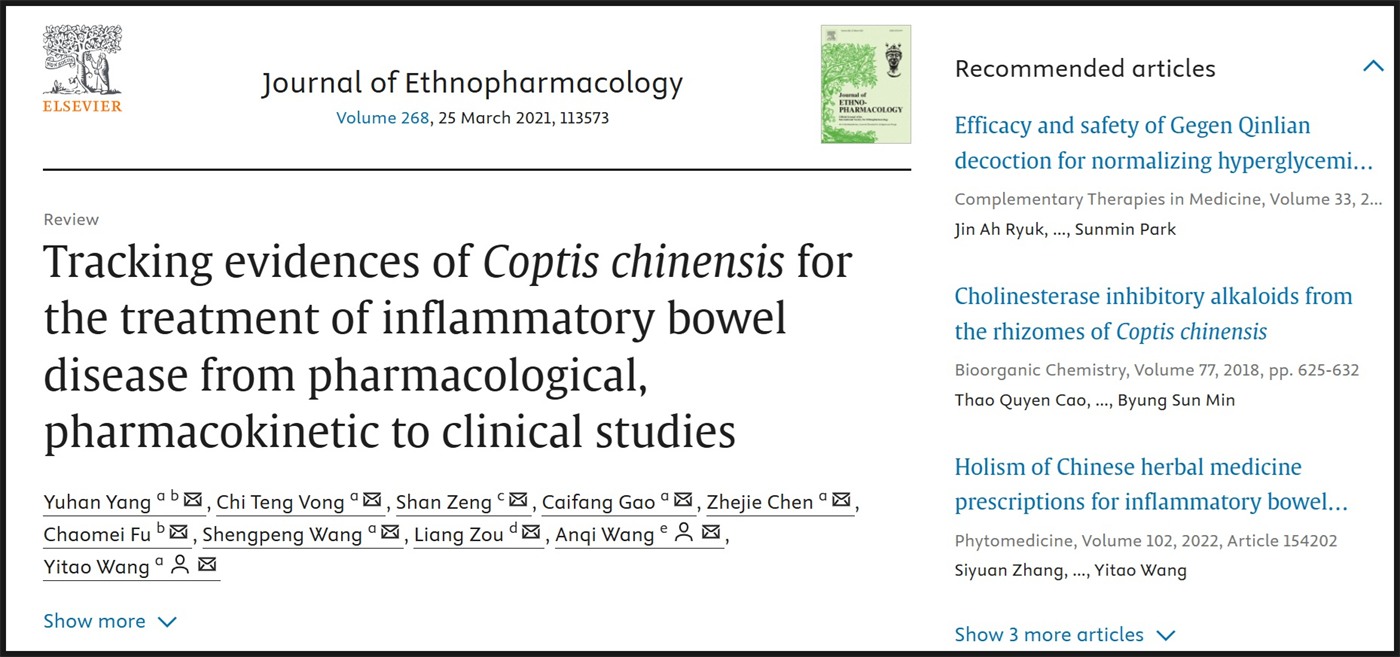
The second result is a paper titled “Tracking evidences of Coptis chinensis for the treatment of inflammatory bowel disease from pharmacological, pharmacokinetic to clinical studies.”
Already the title is exactly what we wanted. Let’s click it.
This is a systematic review — an SR.
What is a systematic review? It is not a single study. It is a paper that reviews the body of papers published so far, comprehensively. A paper that researches papers.
And what does it say?
“The bioactive components of C. chinensis exert therapeutic effects in IBD mainly through inhibition of oxidative stress, analgesia, protection of the intestinal mucosal epithelial barrier, regulation of T helper cells, and antibacterial activity.”
Now, shall we try one of these AI search tools that everyone is talking about?
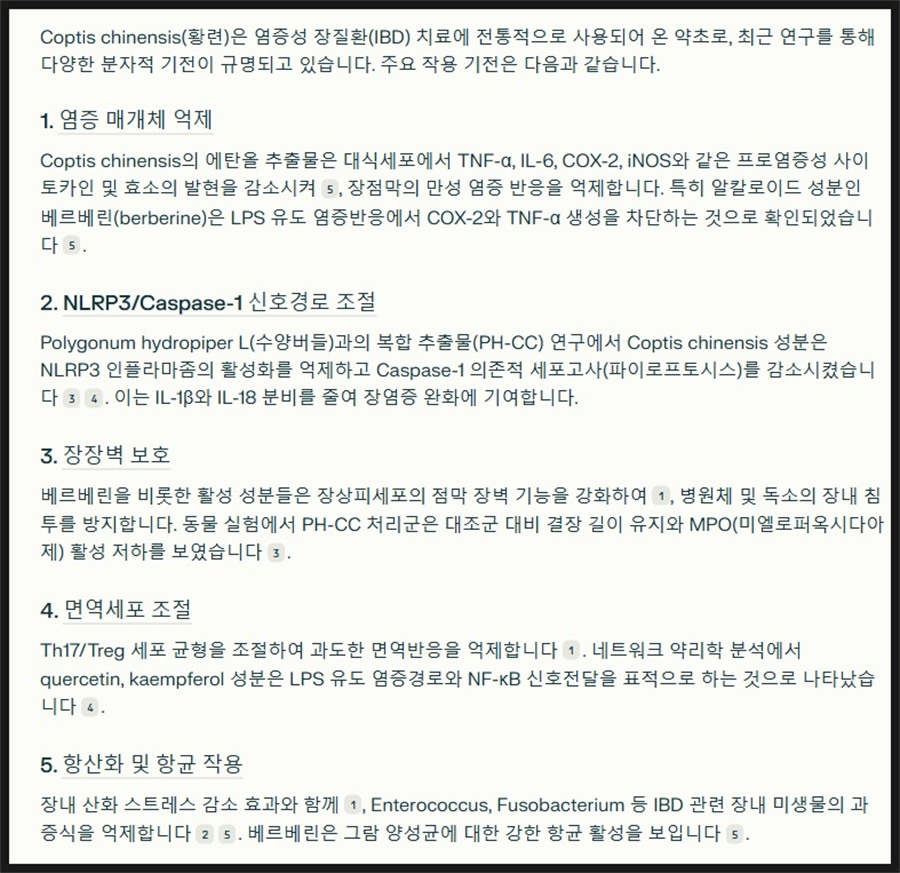
I went to Perplexity and searched: “Tell me, based on the papers, by what mechanism Coptis chinensis acts in inflammatory bowel disease.”
And this is the answer it gave: suppression of inflammatory mediators (inflammatory cytokines), regulation of signalling pathways, barrier protection, immune cell regulation, antioxidant and antibacterial action.
One caution before we go on. AI search is a useful starting point, but it does sometimes attach very precise-looking figures to real findings — figures that are not in any paper. So treat the numbers it gives you as something to check, not as something to quote. Everything below is what I was able to confirm in the actual literature.
So what are the bioactive constituents of Coptis?
There are people who insist, without knowing anything about it, that we do not even know what is in herbal medicine.
You do not need to go into PubMed for this. A plain Google search will do.
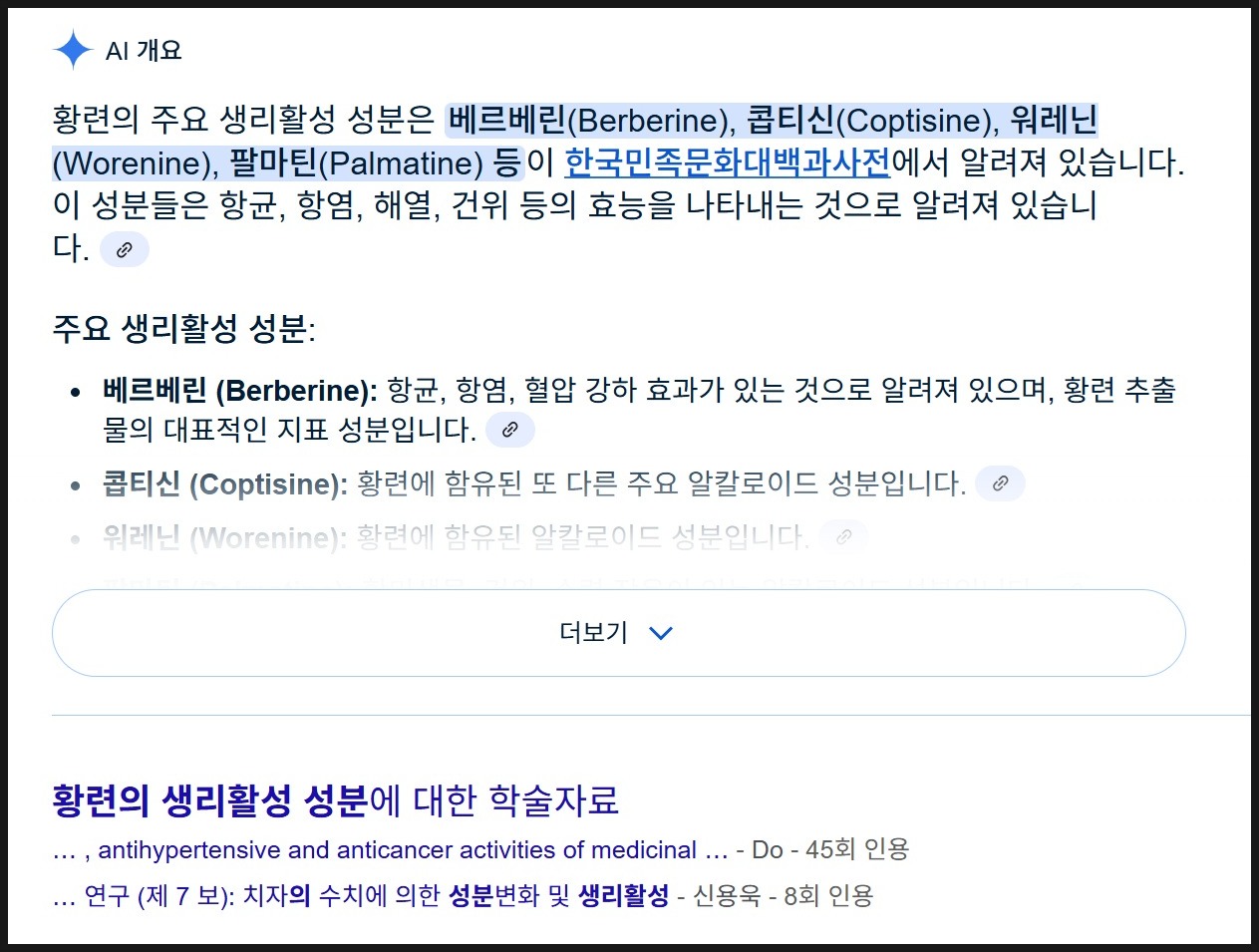
Search for the constituents of Coptis and this comes up.
The constituents are berberine, coptisine, worenine, palmatine and others — alkaloids. The representative marker compound among them is berberine.
So how do these constituents produce an effect in ulcerative colitis or Crohn’s disease?
Suppression of inflammatory cytokines.
Berberine suppresses the production of TNF-α and IL-6. A meta-analysis of animal colitis studies published in Frontiers in Pharmacology in 2022 pooled the data and found a significant reduction in both.
TNF-α — where have you heard that before?
Yes. Among the biologics used in ulcerative colitis and Crohn’s disease: adalimumab, which is Humira; infliximab, which is Remicade; golimumab, which is Simponi.
Humira, Remicade, Remsima, Simponi — these are all TNF-α inhibitors.
And Coptis suppresses TNF-α production. It suppresses IL-6 production too.
Regulation of T cells.
Berberine has been reported to block the differentiation of Th17 cells — T helper 17 cells — and to reduce IL-17 secretion. That was shown in a mouse colitis model, in Frontiers in Pharmacology in 2018, where it also shifted the Treg/Th17 balance.
Ustekinumab — Stelara — is an interleukin inhibitor. So the pathway Coptis acts on here is one of the pathways these drugs are aimed at as well.
I want to be careful about how I put that. It does not mean a herb replaces an injection. It means that when you look at what the herb is doing at the molecular level, it is working on the same pathways that modern biologics were designed around.
Antioxidant action.
The alkaloid constituents of Coptis reduce oxidative stress in the intestine and help prevent damage to the intestinal epithelial cells.
In colitis models, superoxide dismutase (SOD) and catalase activity in the colon, which fall with the disease, recover with berberine treatment. That has been reported in mice (Experimental and Therapeutic Medicine, 2017) and in rats (Mediators of Inflammation, 2020).
Strengthening the mucus barrier.
Coptis promotes mucus secretion in the intestinal mucosa. In a mouse study published in the International Journal of Molecular Sciences this year, berberine increased MUC2, increased the number of goblet cells per crypt, and thickened the mucus layer.
Why does that matter?
In active ulcerative colitis, and especially in severe disease, the protective mucus layer thins and develops breaks in it. And there is something more interesting than thinning: in a 2014 study in Gut, using rectal biopsies from actual patients, the inner mucus layer in active ulcerative colitis had become penetrable — bacteria could get through it — even in cases where the thickness itself looked close to normal.
So the barrier problem in ulcerative colitis is not only that the layer gets thinner. It is that it stops doing its job.
Regeneration of the intestinal epithelium.
Berberine promotes the proliferation of intestinal stem cells and helps the epithelium regenerate. In a 2022 BMC Biology study using Lgr5 lineage tracing in mice, berberine increased Lgr5+ stem cell renewal by restoring Wnt signalling from the surrounding stromal cells, and the benefit disappeared when Wnt secretion was blocked.
The gut microbiome.
Patients with ulcerative colitis and Crohn’s disease have a disturbed gut microbial balance, from frequent medication and from diarrhea.
Berberine has been shown in laboratory testing to inhibit the growth of Clostridioides difficile and to reduce its toxin production. C. difficile is a very well-known problem organism.
I should say plainly that this one is test-tube work, not a study in people, and that the concentrations used in the dish are high.
Now — an important point about all of this.
Almost all of the mechanism research I have just described is at the animal and cell-culture stage. Mouse colitis models, rat models, cells in a dish.
That is how pharmacology works: mechanism is worked out in the laboratory first. But I am not going to tell you that a mouse experiment is the same thing as a result in a person. It is not.
So let me show you the human evidence.
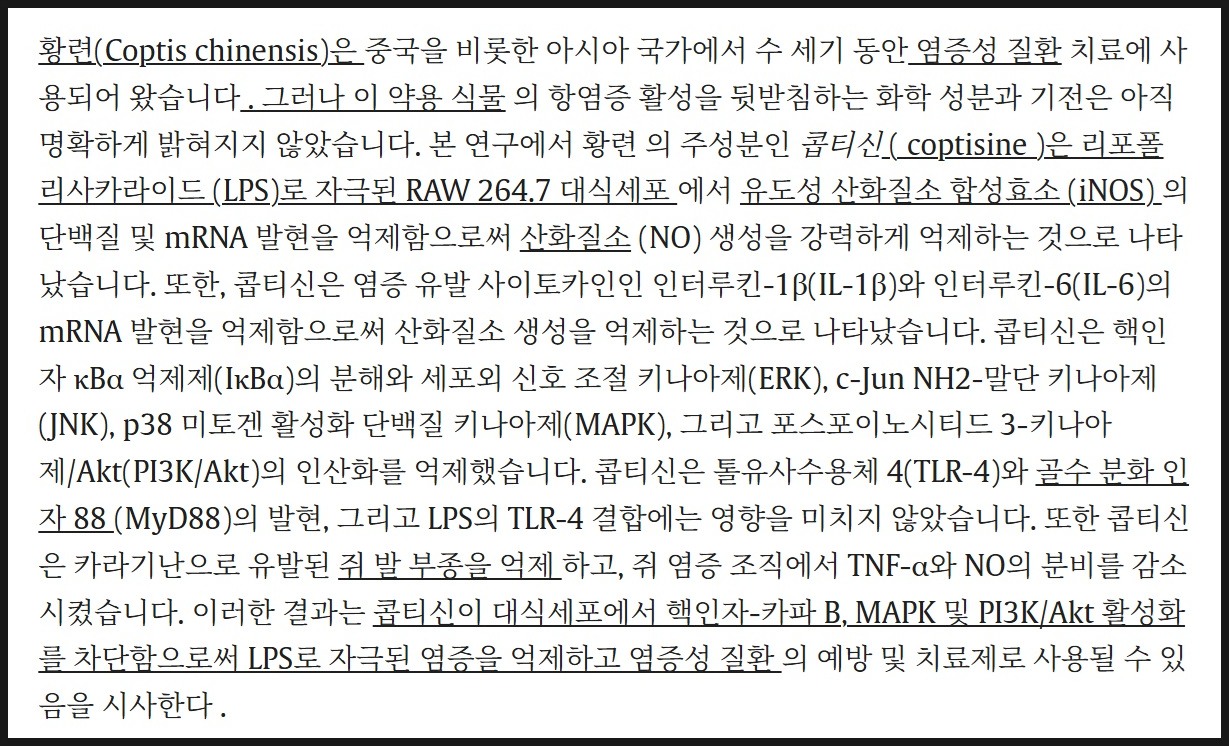
If you want to dig further, search Google Scholar for, say, Coptis chinensis together with TNF-α and IL-6, and you will find papers like this one.
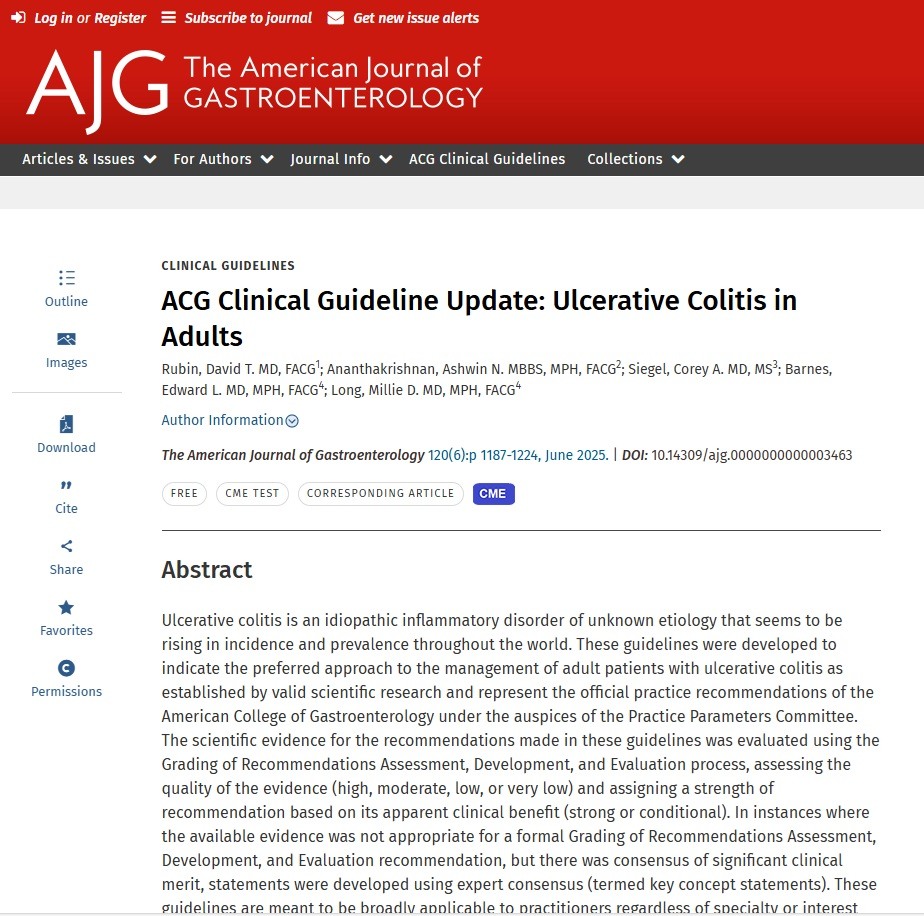
And last June, the American College of Gastroenterology published its updated clinical guideline for the treatment of ulcerative colitis, in the American Journal of Gastroenterology.
You can follow the link here:
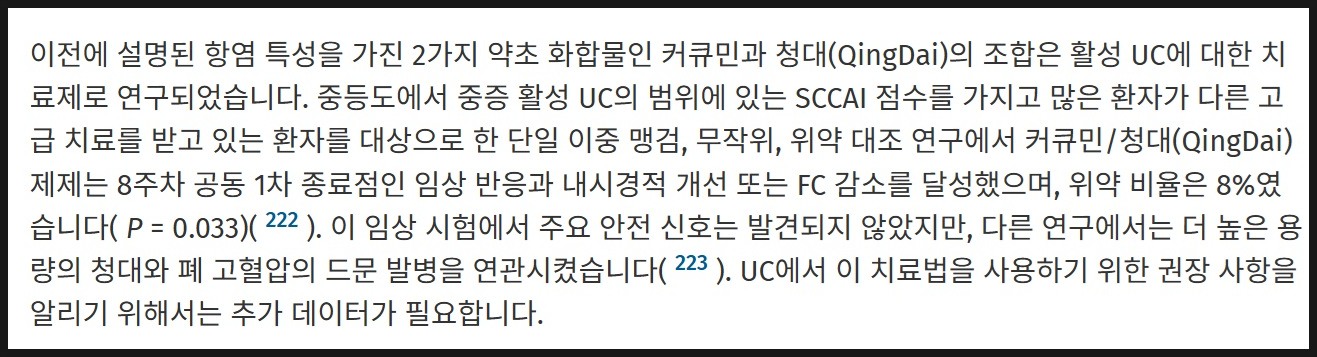
The guideline discusses the combination of curcumin and QingDai — indigo naturalis — in active ulcerative colitis.
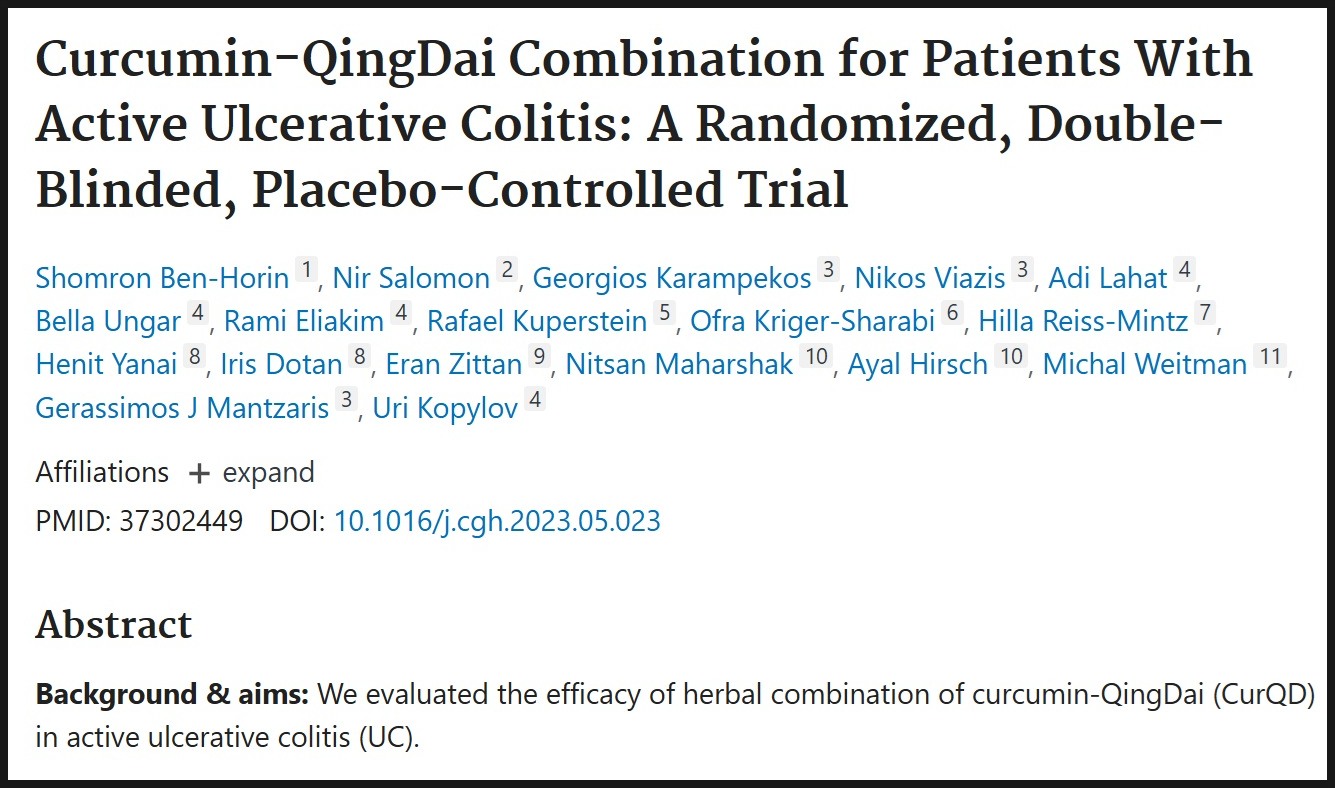
It is citing this paper:
Curcumin-QingDai Combination for Patients With Active Ulcerative Colitis: A Randomized, Double-Blinded, Placebo-Controlled Trial.
Let’s look at that trial a little more closely.
It is a randomized, double-blinded, placebo-controlled study of a herbal combination — QingDai and curcumin — in patients with ulcerative colitis, many of them already on advanced therapy.
At week 8, on the co-primary endpoint, the placebo group improved at a rate of 8 percent.
The curcumin-QingDai group improved at 43 percent.
Clinical remission was 50 percent versus 8 percent, and endoscopic improvement was 75 percent versus 20 percent.
This is a double-blinded randomized controlled trial, so there is no picking holes in the design.
And the ACG guideline is not a document any gastroenterologist is going to wave away.
What you can see from this is that outside Korea, in conventional medicine too, interest in herbal medicinals for ulcerative colitis and Crohn’s disease is growing, and a great many experiments and studies are under way.
One thing I have to say clearly here, because it matters.
Please do not go and take QingDai on your own. It is a potent medicinal with reported adverse effects, it needs the right indication and the right dose, and it has to be used under the supervision of a Korean medicine doctor. The same goes for curcumin at therapeutic doses. Do not self-medicate on the strength of a blog post — including this one.
Right. This has run long again.
For those of you who ask by what mechanism herbal medicine works:
today we looked at one single herb, Coptis chinensis, and at how it acts in ulcerative colitis and Crohn’s disease.
The prescriptions and herbs I use number more than thirty.
Each one of them has effects of its own.
And then you will ask: all right, but how much does it actually help in practice?
So I found you, from the ACG’s latest ulcerative colitis guideline of June 2025, the paper on the effect of a herbal preparation.
You asked for evidence and for mechanisms. I think I have shown you enough for one day.
It was hard work finding and digging through these papers. (Thank you, AI.)
So — do you now have a sense of the routes and the mechanisms by which herbal medicine works in ulcerative colitis and Crohn’s disease?
I do research as well, but my basic identity is that of a clinician.
I research how to treat patients, I find the right prescription and the right method, and I am happiest and feel the most worth in what I do when a patient gets well.
Mechanism research into herbal medicine is absolutely necessary.
But to actually use herbal medicine well, the best thing is to follow the methodology that has already been researched over thousands of years.
That is exactly what the prescriptions that have survived and been handed down for thousands of years are.
I mean the classical texts — the Shanghanlun, the Donguibogam, the Dongui Susebowon.
Understanding this point is very important.
Next time, I will bring you another patient who was treated well — not just talk, but a case with improvement in symptoms, improvement in the inflammatory numbers, and improvement in the endoscopic findings, before and after treatment.
This is Hanstep Korean Medicine Clinic.
Thank you.
▶️ Watch our YouTube video on this topic:
Please turn on subtitles to watch.
HanStep Korean Medicine Clinic – Inflammatory Bowel Disease Clinic


Leave a Reply